Hebrew University of Jerusalem
Does leaving a legacy help us cope with mortality? Israeli study examines mental health link
How do we face our own mortality and not just those of our loved ones who have passed away? What does it mean to feel that a part of us will live on after we are gone?

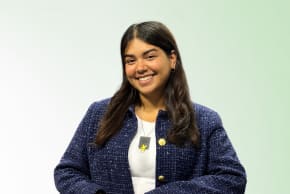
'They were calling Hamas heroic': Canadian Muslim student explains her post-October 7 Zionism
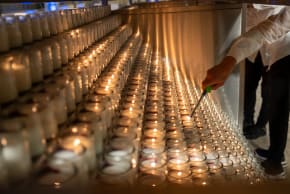
A great light extinguished: Rabbi Prof. Shlomo Slonim, scholar of two worlds – opinion

Israeli politicians who grew up poor see poverty as a challenge to overcome, not a systemic problem
One in five Israeli women who get cosmetic procedures show signs of addiction, study finds
Hebrew University researchers found low body esteem and problematic social media use were the strongest risk factors. "We wanted to understand the psychological factors," they told the Post.

Ancient humans precisely navigated northern Israel to find right stones for tools, study suggests
Basalt seemingly held special importance at GBY, particularly for producing large cutting tools like handaxes and cleavers.
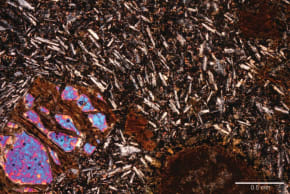
Children of Holocaust survivors face higher schizophrenia risk, Israeli study finds
It’s known that the adult children of many Holocaust survivors suffer from trauma as a result of growing up with them and hearing about their horrific experiences, or when the parents refuse to share

Male fertility crisis? Israeli global study finds 54% drop in testosterone levels over five decades
A large meta-analysis, studying five decades, has found a dramatic and sustained decline in testosterone levels among men, raising concerns that the male fertility crisis is deeply misunderstood.

Tire particles may contaminate crops and enter food chain, Israeli study finds
Around the world, some 1.5 billion tires are produced each year, and tire-wear particles are increasingly recognized as one of the largest sources of microplastic pollution.

Esther Marcus helped Israelis recover from October 7 - then she became a war widow
Esther Marcus, a Kibbutz Alumim resident and therapist, helped establish resilience centers for survivors while coping with the sudden death of her husband, Stevie, after October 7.
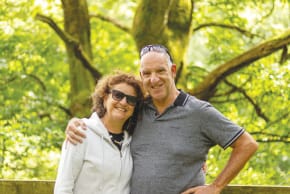
Why Hebrew University is the top choice for Olim
Before Israel became a state, HUJI was already helping shape the home it would become.

Entebbe daze
Having lived in Israel, now for several decades, I’ve come to realize that my personal history and Israel’s modern history are inextricably intertwined.

Can virtual reality teach the 'feel' of medicine? New Israeli study says not yet
Ancient dissections of Galen reveal a gap in modern medical training: tacit, hands-on skills still can’t be fully taught by digital tools.

Sampling flaws may have inflated Lancet's Gaza mortality survey death toll, researchers argue
Released by Professor Emeritus Sergio DellaPergola of the Hebrew University of Jerusalem and independent researcher Mark Zlochin, the correspondence analyzed the survey’s publicly released data.
