Technology
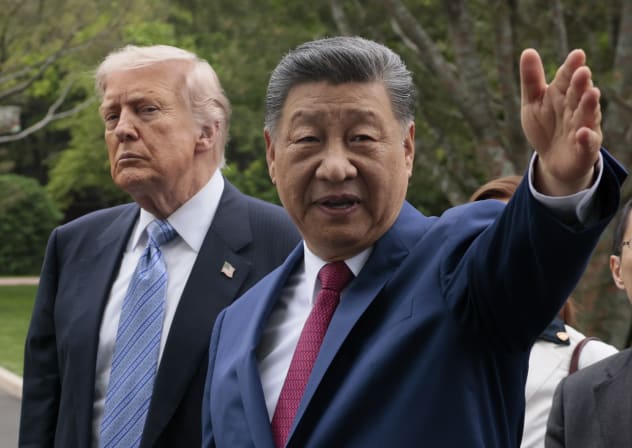
Autonomous AI threats leave US and China minutes to prevent nuclear crisis, experts warn
Proposals include redlining nuclear systems, requiring human control over consequential cyberattacks, and establishing a hotline for incidents involving autonomous AI.

Will militaries pivot on drone technologies after major Reaper losses in Iran? - analysis

IAI debuts new tactical vehicle for German special forces

Former Mossad chief Yossi Cohen appointed president of Quantum X Labs advisory board
AI has an over 10% chance of killing all humans within a decade, Anthropic researcher says
"Neither company is acting responsibly," he wrote in a series of posts on X/Twitter. "They are racing straight to self-improving superintelligence and gambling with our lives."

Microsoft Store returns to Syria as US restrictions on country ease
Syrians report renewed access to the Microsoft Store without a VPN, though availability remains inconsistent, and Microsoft has not commented on the change.

Huawei heads to trial in US over its business dealings in Iran
The trial will bring to a close one of the US government's earliest and most closely watched battles against a Chinese company.

Meta launches AI agent that can access other apps to send emails, make payments
Meta CEO Mark Zuckerberg's plan to supply "personal superintelligence" is part of an attempt to diversify the company's revenue sources beyond advertising.

Brand news: The latest trends in fashion, beauty, culinary delights, and holiday shopping
All that glitters is gold, visit Provence without flying, indulgent bedding, radiance for the skin, the place with the perfect vibe, hot from Korea, holiday surprises.

How Israeli AI shapes global digital leisure
As Israeli AI reshapes digital entertainment, its influence is making online experiences smarter, more personalized and secure for users around the world.

Hangzhou offers a glimpse of China’s journey from silk to silicon
A journey through Hangzhou and Zhejiang reveals a China embracing both its ancient heritage and a high-tech future, from tea fields and historic canals to AI and robotics.

OpenAI agents hijacked German website in previously undisclosed AI breakout this spring
The episode, which began in May and was initially not reported by OpenAI, underscores growing tension within the AI industry.

OpenAI commits $1 billion to cyberdefense effort amid growing AI safety scrutiny
OpenAI on Thursday, alongside the cybersecurity initiative, also unveiled Astra, a new AI model it described as its most capable yet but said can at times attempt to evade human monitoring.

The Race to Microseconds: Rethinking Observability in RDMA Systems
As RDMA brings computing into the microsecond era, smarter observability is needed to uncover hidden bottlenecks and keep ultra-low-latency systems reliable.
