Sugar
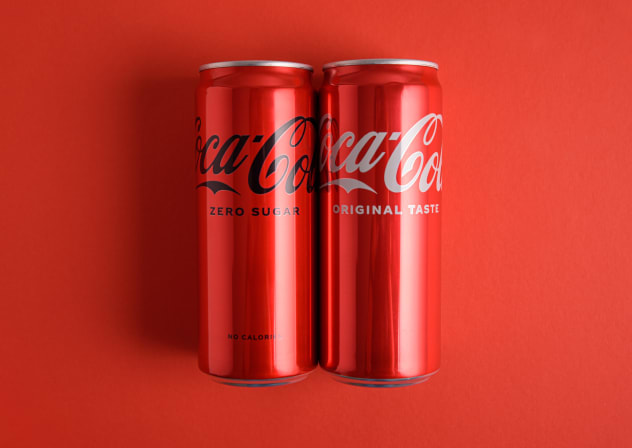
Coke Zero or regular Coke: Which is better for your health?
Coke Zero cuts sugar and calories, but research on sweeteners, weight control, and dental health adds important caveats.

Class-action lawsuit approved against Golda chain for misleading sugar-free ice cream marketing

Golda ice cream chain faces NIS 350 million lawsuit over falsely labeled sugar-free options

How to identify a sugar crash before it takes a heavy toll
The dessert we all order without thinking – and it is actually a sugar bomb
Frozen yogurt is not necessarily the healthier choice among desserts. However, with a few right choices, you can enjoy it without guilt.

Sugar or Allulose – the truth revealed
Allulose as an innovative sweetener: These are the metabolic benefits, this is also the comparison to sugar, and the consumer importance of reading the full ingredients list in processed products.

Sugar–free wafers – Are they really suitable for diabetes?
Why are "sugar–free" products a dangerous marketing trap for diabetics? The reason why the white flour in these wafers and cookies might spike your blood sugar levels.

Is maple syrup really healthier than sugar?
Many choose natural sugar substitutes thinking they are healthier, but the differences between them are complex and require a deep understanding of nutritional values and the effects on the body.

Flavored water and the secrets no one tells
Don’t let marketing mislead you: Flavored water is not water, it is sweetened juice in disguise.

"Biology books will need to be amended": Scientists identify molecule that slims without diet
Scientists in Australia say they have identified a previously unseen way the body controls stored sugar.

Eating right but sugar or cholesterol are rising? This is the reason
Even without changes in diet, ongoing stress affects hormones, blood sugar levels and blood lipid levels, and can cause abnormal results in tests, even in healthy people who are very strict.

Large study links ultra-processed foods to ADHD risk in preschoolers
Within the ultra-processed category, items such as breads, pastries, packaged cereals, ready-to-heat frozen meals, and long-shelf-life ready-to-eat meals were associated with more emotional problems.

Dietitians recommend: 6 types of bread recommended for improving blood sugar levels
Healthy bread can be part of a balanced lifestyle, as long as it contains dietary fiber and protein, and contains a minimum of sugars.

Were you misled: This is the only difference between white sugar and brown sugar
The message that brown sugar is healthier than white is very popular, but how much truth is behind it? Studies found the answer – and the advantage of brown sugar is different from what you thought.