Parasha
Parashat Lech Lecha: Having the courage to stand alone
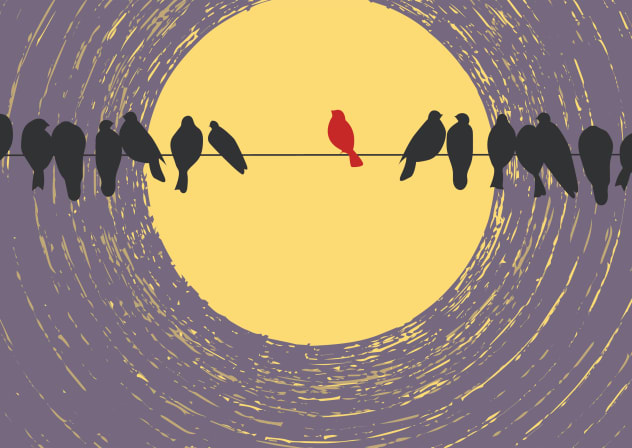
Abraham’s willingness to stand alone would become a defining feature of our nation. As his descendants, we would desperately need that same strength.

Parashat Lech Lecha: There is no wisdom like that gained through experience

Parashat Bereishit: The world of water

The imagination that began it all: The Persian-Jewish poet bringing Genesis back to life - opinion
A Jew is never stuck: Embracing resilience in times of crisis - opinion
Beyond the Headlines: A weekly glimpse into the Israel you won’t read about in the news

Parashat Korah: ‘An elevated place in Gehenna’
What is repentance? It is a small, good thought filled with love – the kind of thought that saved the sons of Korah from a tragic fate; a moment of introspection that can save any Jew from harm.

Parashat Shelach: Seeing giants, choosing hope
The 10 spies teach us what happens when fear rules the heart. The ma’apilim teach us of the danger of forcing reality to revive an old fantasy.

Parashat Shelach: Believe in yourselves
The Torah recounts the argument that erupted between the 10 pessimistic spies and Joshua and Caleb, the two optimistic ones.

Parashat Beha’alotcha: The call of humility
We are all entitled to even the strongest of our beliefs and opinions. And yet, we should never be so sure of what we think that we are not open to a different voice, a different opinion.

Parashat Beha’alotcha: Yes to speaking up, no to hurting!
Speak up! Share your opinion! Try to bring about change – but not through gossip and not with hurtful words.

“Whoever Has One Hundred Desires Two Hundred”: Rabbi Yoshiyahu Pinto on the Endless Cycle of Desire

Parshat Naso: Rich people’s problems
When you live a life filled with meaning, spiritual fulfillment ... you receive a remarkable gift: a profound inner peace and emotional serenity that no material wealth can offer.

Parashat Bamidbar: ‘Each man by his banner’
The many hardships endured by the Israelites during their desert journey could have been greatly reduced had the nation learned to appreciate what they had.

Parashat Behar-Bechukotai: Live and let live
The only halachic ruling that was ever given is that “your life comes first” – and nothing beyond that.
