Parasha
Parashat Lech Lecha: Having the courage to stand alone
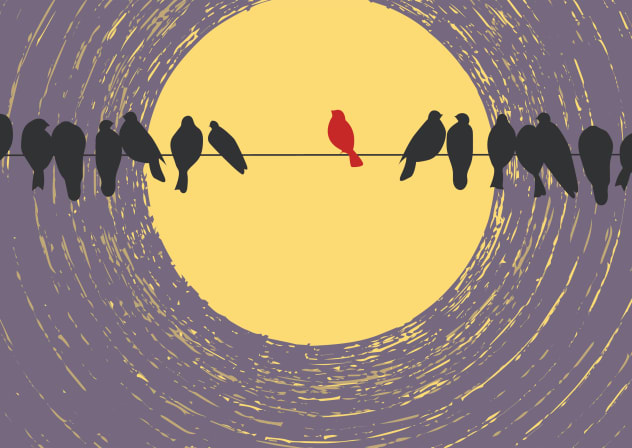
Abraham’s willingness to stand alone would become a defining feature of our nation. As his descendants, we would desperately need that same strength.

Parashat Lech Lecha: There is no wisdom like that gained through experience

Parashat Bereishit: The world of water

The imagination that began it all: The Persian-Jewish poet bringing Genesis back to life - opinion
Parashat Shoftim: Wholehearted – and well
“Wholeheartedness is greater than wisdom, but great wisdom is required of a Jew before he reaches the level of ‘You shall be wholehearted with the Lord your God.’” - Rabbi Naftali of Ropshitz.

Parashat Re'eh: The tyranny of ‘one’ truth
An age of prophecy should have been an age of clarity. If God spoke directly to humanity, the path forward ought to have been unmistakable.

Parashat Eikev: With respect for the past
Moses shattered the Tablets, yet their fragments were preserved beside the new ones. Their message endures, what appears broken can still carry holiness, meaning, and strength.

Parashat Eikev: The things we step on
Parshat Eikev teaches that the greatest threats to our values begin not with rejecting them, but with neglecting the small practices that keep them alive.

Parashat Va'ethanan: The positive within the negative
The Ten Commandments are not an independent list of fundamental principles, but rather the nucleus from which the entire Torah unfolds - its genetic code.

Parashat Devarim: Always relevant
The Torah remains unchanged, yet its message can be expressed anew in the language, challenges, and circumstances of every generation.

Parashat Matot-Masei: Don’t borrow identity
Public debate has become louder, more bitter, and less capable of self-correction because opinions have hardened into identities.

Parashat Matot-Masei: Slow and steady
The most important movement is not always what is visible externally, but what takes place within a person.

Parashat Pinchas: A prophet for difficult times
The Three Weeks do not ask us to despair. They ask us to remember what we lost, why we lost it, and, above all, that God has never stopped remembering us.

Parashat Balak: What is the price of aloneness?
In a highly integrated world, the isolation of the State of Israel is itself a strategic risk. Some voices in Israel deride this issue or dismiss concerns about how we are viewed.