Archaeological study
New LED technology helps archaeologists uncover details invisible to the naked eye
Instead of using standard white light to illuminate the soil, the Danish prototype uses LEDs set to 16 different wavelengths, ranging from near-ultraviolet to near-infrared.

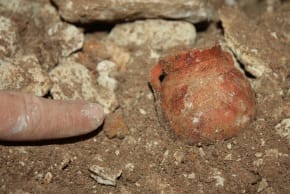
Ancient wildfires in the Levant may have inspired Neolithic pottery-making, Israeli study suggests

Israeli researchers use ancient stone tools to trace hunter-gatherer migrations

Prehistoric hunter-gatherers stayed connected across 200 kilometers, Israeli study finds
Skeleton made from bones of five people across 2,500 years found in Belgium
The tomb, known as "Tomb 26," was unearthed in the 1970s during excavations of a cemetery in Pommerœul, near the French border.

Colombian rancher finds largest known fossil of three-meters tall “Terror Bird” in Tatacoa Desert
Fossil bears tooth marks from giant crocodile, hinting at how the predator met its end.

Archaeological mission discovers first Middle Kingdom tomb in South Asasif Necropolis
The excavation revealed a wealth of unique jewelry in the female burials, including necklaces, bracelets, chains, rings, and belts made from red agate, blue and green glazed ceramics, and faience.

Hidden 4,000-year-old fortified town discovered in the Khaybar Oasis of Saudi Arabia
Al-Natah, occupied from 2400 to 1500 BCE, had about 500 residents and is the first of its kind for studying an ancient settlement in northwest Arabia.
