
We have a problem in Israel, one that is seemingly being left behind in the wake of the election, the “will they, won’t they” Iran flirtations, and growing violence in the West Bank.
It is a domestic problem, and it is tainting our societal values and principles. It is child abuse.
Last week, the parents of a four-month-old baby girl from Ashdod were arrested on suspicion of abuse after doctors discovered multiple fractures in her body.
On Sunday, a kindergarten teacher in Ra’anana was arrested on suspicion of assaulting a toddler, while in Ashkelon, a court extended the detention of caregivers suspected of involvement in more than 100 incidents of abuse.
Earlier this month, prosecutors filed an indictment against three daycare workers in Ariel, accusing them of more than 400 acts of abuse and assault against 17 babies and toddlers, some as young as six months old.
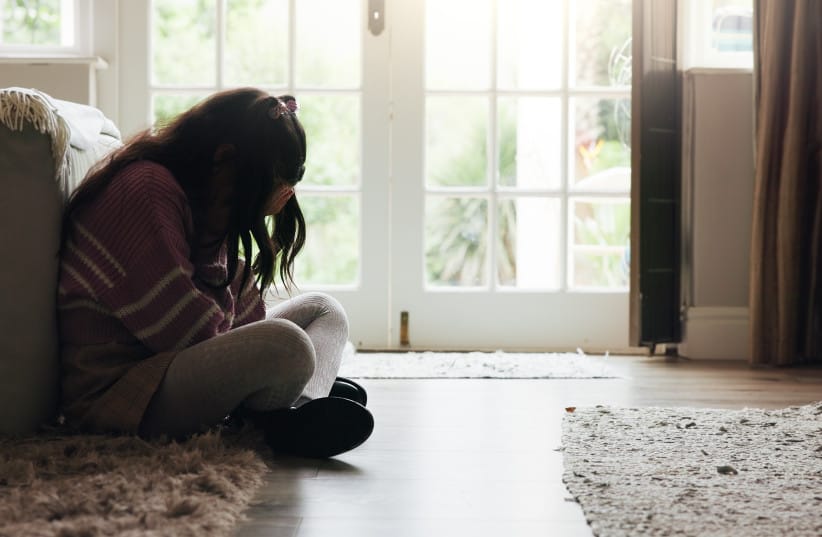
Since the beginning of October, Israeli media outlets have reported on at least eight separate cases or legal developments involving suspected or proven abuse of young children, including arrests, indictments, convictions, and sentencing.
Is enough being done to secure Israel's most vulnerable citizens?
In a country where security dominates almost every aspect of public discourse, we must ask whether enough is being done to ensure the security of our youngest, and most vulnerable, citizens.
It was revealed in July during a meeting of the Knesset Special Committee for the Rights of the Child. Between 2018 and 2024, the police opened 1,044 investigations into violence against children in early childhood educational settings, including 221 that led to indictments.
Earlier this year, a State Comptroller’s Report found major problems in supervising daycare facilities, including incomplete information on unlicensed establishments and inadequate inspections of licensed ones.
The introduction of mandatory cameras in daycare centers, a law passed in 2018 and in effect by 2020, was an important response to previous cases of abuse. However, effective use of cameras depends on their proper operation. Even then, a camera can document abuse without necessarily preventing it.
Too often, the responsibility for uncovering suspected abuse appears to fall on parents themselves. According to an October report by the Taub Center, nearly 70% of the 973 requests to access daycare camera recordings in 2025 came from parents.
Mothers and fathers should be able to leave their children at a daycare center each morning and go to work, confident in the people looking after them. They should not have to become detectives themselves, examining unexplained bruises or monitoring changes in behavior, then fighting for access to video recordings to establish the truth.
Israel needs better protection for children
For children subjected to abuse within their own homes, the situation is even more desperate. When the suspected perpetrators are the parents themselves, the child may have no trusted adult to turn to. Medical professionals, educators, social workers, and relatives can therefore play a critical role in identifying warning signs and intervening.
Israel needs a more comprehensive approach to child protection, beginning with more frequent and unannounced inspections of daycare facilities, rigorous background checks, improved professional training, and adequate staffing levels. The authorities must also ensure that individuals legally barred from working with children cannot find employment elsewhere.
The overwhelming majority of childcare professionals in Israel do a difficult, demanding job, often for inadequate pay. Strengthening professional standards and improving working conditions should be integral to any effort to protect children.
Child welfare services need to be resourced properly to investigate concerns and intervene when necessary, while children who have experienced abuse and their families must have access to long-term psychological support.
A six-month-old baby cannot describe what has happened to her, nor can a toddler file a police complaint or demand that the authorities investigate the person responsible for his suffering. These children depend entirely on the adults around them to recognize when something is wrong and act accordingly.
As a society, we have a profound moral responsibility to ensure that their inability to speak for themselves never becomes the reason their suffering goes unheard.