Hundreds of relatives with loved ones among Mexico's near-135,000 missing people marched in Mexico City on Thursday, using the inauguration of the FIFA World Cup to rally support and call out what they described as a lack of government action.
Protesters from grassroots organizations known as "madres buscadoras" (mothers who search) bused into the capital from several other states late on Wednesday to take part in a candle-lit vigil and a larger march on the Mexico City Stadium ahead of kickoff.
Hector Aguila, 59, who organizes Jalisco-based searchers' group Luz de Esperanza (Light of Hope) and has been looking for his son since 2023, said families were being re-victimized by long, fruitless bureaucratic processes.
"We're not against the World Cup, we're not against people coming here to enjoy the party," he said outside a massive fan party in the main square. "We are against that they invest so many millions of pesos in this while we are left in oblivion."
Alexandra Campa, 40, who has been searching for her younger brother for over a year and is a member of several collectives in Jalisco, one of Mexico's most violent states, told Reuters she considered seeking help from the state a waste of time.

"Every month they change the lawyer," she said. "There is never a solution and there are thousands of cases like mine."
Cartel-related disappearances cause uproar
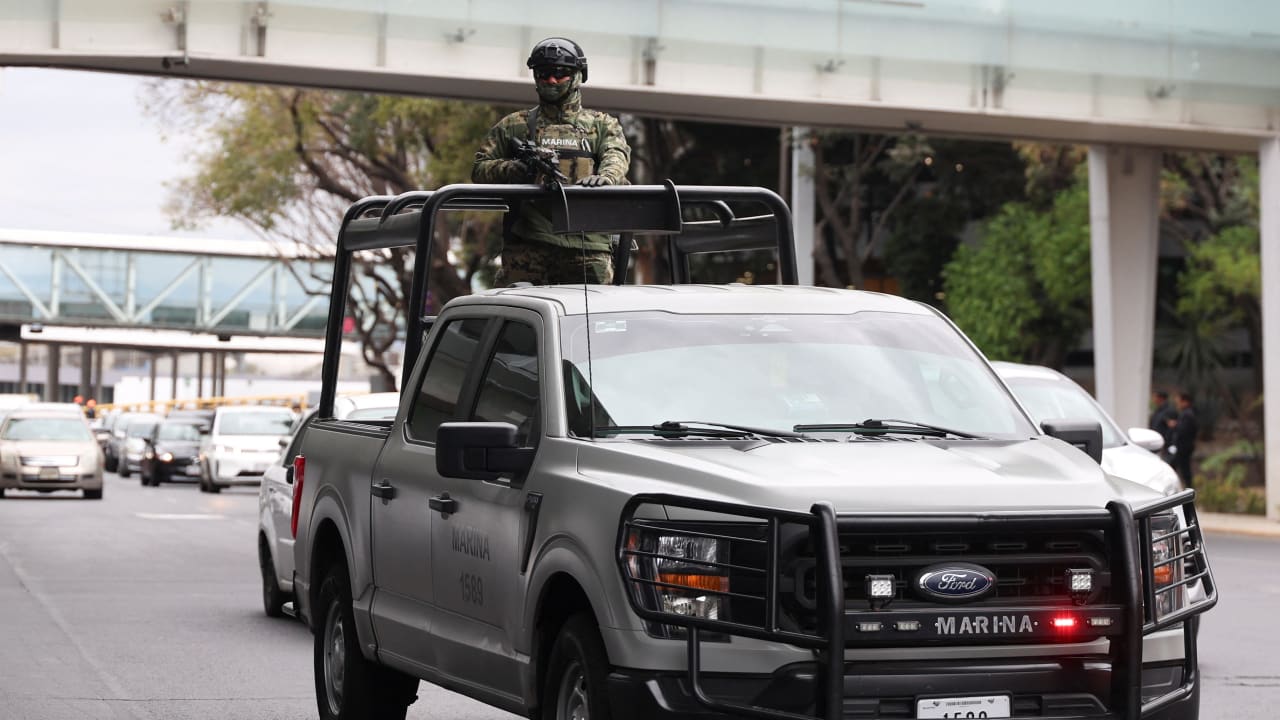
The day's protests began peacefully with collectives wearing white shirts or green Mexican football jerseys printed with posters of their missing loved ones. Later in the day, however, some groups tore down fences and clashed with security forces, and hundreds of riot police deployed on streets around the stadium.
The government attributes the disappearances mainly to cartels and says many went missing in violence tied to former Mexican president Felipe Calderon's militarized "war on drugs" from the late 2000s. It says locating them is a national priority.
But critics say weak state support and institutional backlogs force families to search alone in dangerous areas, where some activists have been killed. They also argue the high number of unresolved cases obscures the scale of deadly violence in Latin America's second-most populous country.
Ahead of the inaugural match, activists put up thousands of missing posters on roundabouts and along the tracks of the train that leads to the main stadium and graffitied over walls and bus stops with protest slogans such as: "The ball is coming home, but when will our children?"
At the Angel of Independence, one of the city's most famous monuments, tourists took photos and a performer danced to Shakira and Burna Boy's World Cup anthem while in the background, "heroes" was crossed out on the statue's stone tablet, replaced with "desaparecidos" - the disappeared.
Campa said she felt left behind and hoped the protests would rally international support for the search efforts.
"We're here so if our relatives can see us, they know we're looking for them, we love them and we miss them very much," she said.