Pakistan delivers US proposal to Iran as venue for talks remains undecided
The source also said Turkey was helping to find ways to end the way and "either Turkey or Pakistan are under consideration as the venue for such talks."

The source also said Turkey was helping to find ways to end the way and "either Turkey or Pakistan are under consideration as the venue for such talks."


Iran's skepticism is one of the reasons US VP Vance has now become involved in the negotiations. Washington has sought to reassure Tehran that “this is not a ploy, but real negotiations."

Israel plans to install 1,865 shelters in northern border communities • Iran wary of US motives as talks to end war intensify • Australia to temporarily limit travel for Iranian visa holders.

The note regarding the Strait of Hormuz from Iran's Ministry of Foreign Affairs was sent to the 15-member Security Council and UN Secretary-General Antonio Guterres.

The plan, which was delivered to Iran via Pakistan, reportedly addresses Iran's ballistic missile and nuclear programs, as well as issues regarding the Strait of Hormuz.
Airstrikes reportedly hit a Tehran neighborhood, causing severe damage. Rescue teams search the rubble, and footage shows collapsed buildings. No official confirmation from Israel or the US.

Iran’s indirect retaliation could blend cyber sabotage, arson, and proxy hits on soft targets like energy grids, Jewish sites, and dissidents, alongside an ongoing missile threat.

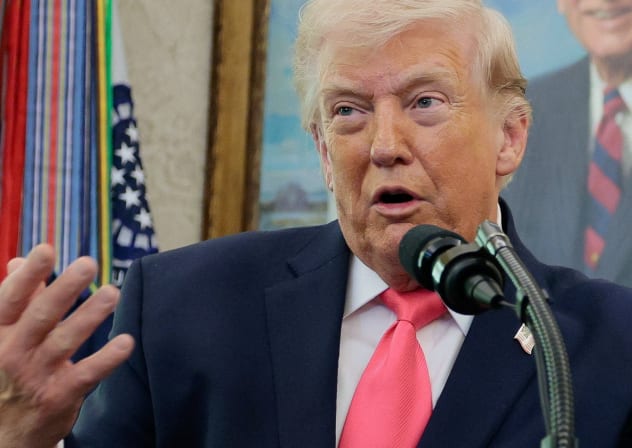
Speaking to reporters in the Oval Office, Trump said, "We're in negotiations right now" over Iran, but would not provide details.
Officials stated that the order does not confirm a decision being made by US President Donald Trump to put boots on the ground in Iran, though it presents several options for future action.

A five-day halt in strikes on Iranian energy infrastructure, following what President Donald Trump described as “productive” talks, is fueling debate over whether pressure is easing too soon.

Trump’s Iran approach mixes escalation and diplomacy, creating controlled ambiguity that calms markets while keeping Tehran and observers off balance.
