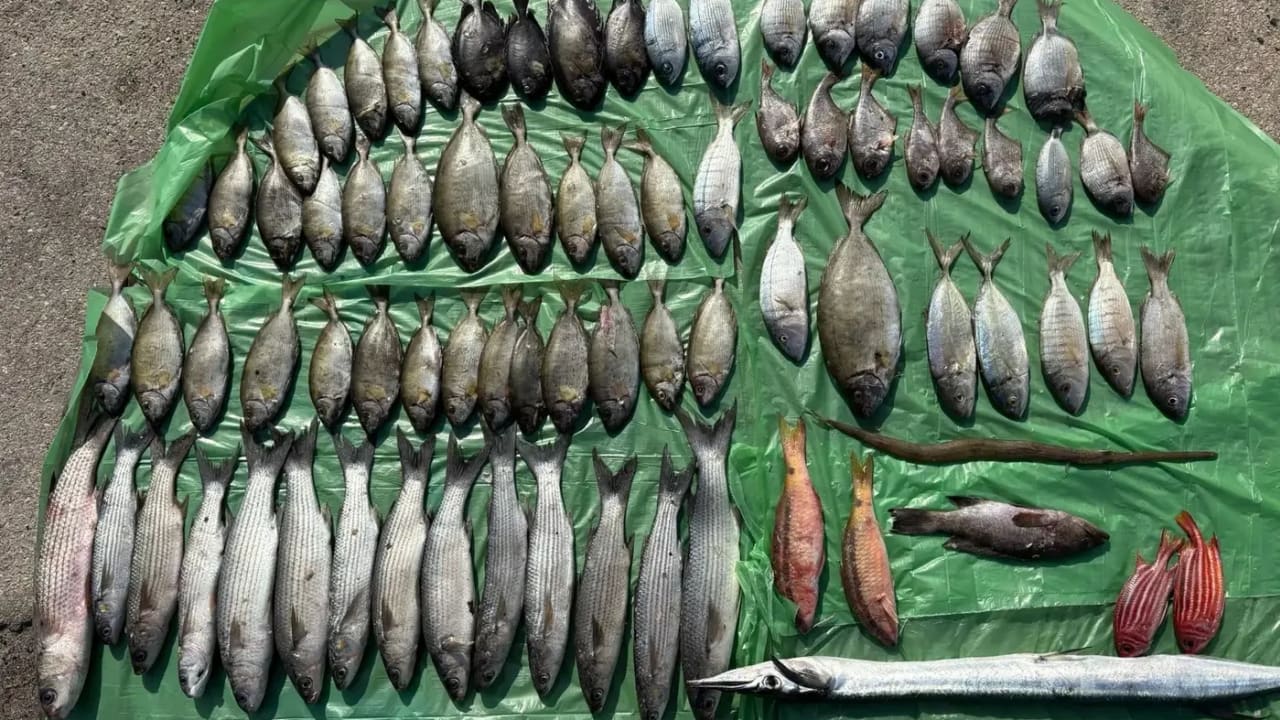
In many cases, the fish reaching our plates in Israel is not the product of an angler who stands serenely with a fishing rod and waits patiently to see what he will catch. A common fishing method in recent decades is bottom trawling, in which heavy ships drag giant nets with weights and metal plates that scour the sea floor.
Today, bottom trawling provides less than 1% of total fish consumption in Israel. Nonetheless, the severe damage it inflicts on the marine environment and protected natural values remains immense and disproportionate, partly because bottom trawling is a non-selective fishing method. Fifty percent of the fish caught in trawls are juvenile fish, non-commercial species, and protected species, which are thrown back into the sea injured and dead. Now, it is becoming clear that the continued existence of this outdated industry is costing the public dearly, and studies present a clear picture: Ending the use of this fishing method is a step expected to benefit the sea, the public, and even the fishermen themselves.
The reform changed the rules, but the damage continues
In 2016, an extensive reform of fishing regulations was approved in Israel to protect the marine environment. As part of the move, about 50% of the territorial waters were closed to bottom trawling, bottom trawling was banned in northern areas, in water strips shallower than 30 or 40 meters, and in defined rocky areas, seasonal closures were established during the summer months, and the vessel fleet was reduced through license buyouts. In addition, a minimum mesh size was set so that juvenile fish would not be caught in the trawls. Starting in mid-2018, strict enforcement of the new regulations began by the Israel Nature and Parks Authority's marine unit. However, despite the regulatory progress and increased enforcement, the remaining activity of the Israeli trawl fleet, which currently numbers only about 11 active vessels, provides a livelihood for only a few dozen workers, and as mentioned provides less than 1% of national fish consumption, continues to cause severe ecological damage.
"In Israel, bottom trawling is managed strictly. Most of the area is closed to fishing, there are restrictions on equipment and seasonal closures; and yet, we see very high capture rates of protected species," explains Dr. Ateret Shabtay, a Mediterranean Sea ecologist at the Society for the Protection of Nature in Israel. "Bottom trawling is such a non-selective and destructive method that there is no way to ensure that protected species will not be caught, or that the damage to them will be negligible. When nature conservationists and the state try to protect protected natural values, but simultaneously grant permits for bottom trawling in those same areas, these two things simply do not go together."
The issue of bottom trawling is not unique to Israel's coasts. A recent study emphasizes that bottom trawling catches huge volumes of non-target species. In addition, the study documented about 3,000 fish species caught in trawls worldwide, with about 15% of the species examined defined as endangered. Meanwhile, a new European study evaluating the cost-benefit balance of the industry found that the costs of bottom trawling in Europe to society, led by massive carbon emissions from sediment on the seabed and damage to marine ecosystems, outweigh the benefits provided by fishing and the industry's economic profit.
Focus of damage: What was revealed at a depth of 80 meters
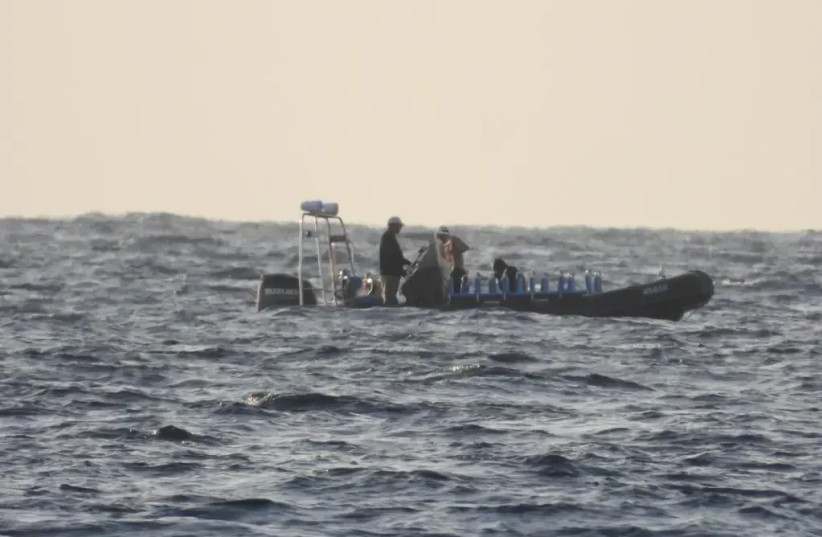
In a new Israeli study led by Shabbatay, researchers analyzed national monitoring data collected between 2018 and 2023 at depths of 40, 60, and 80 meters. The analysis focused on the period after the start of the fishing reform and enforcement, aiming to examine what actually occurs in areas where fishing is still permitted.
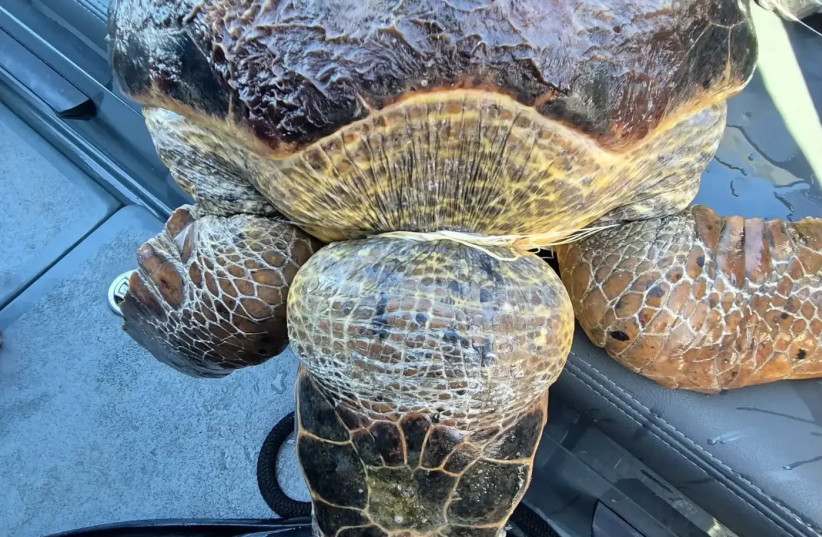
The findings reveal that in every hour of trawl dragging, an average of about 53.5 individuals of protected species are caught. The peak was recorded in the 80-meter depth strip, where an average of about 147.7 protected individuals were caught in a single dragging hour. The main catch at this depth consisted of soft corals of the sea pen type, which are defined as endangered species according to the International Union for Conservation of Nature. In addition to sea pens, protected starfish and cartilaginous fish, such as batoids and sharks, some of which are endangered, were also consistently caught.
"The high concentration of damage at a depth of 80 meters shows that the permitted fishing areas overlap with particularly sensitive and rich habitats," Shabbatay notes. "Sea pen fields create the structural complexity of the seabed and allow an entire community of animals to become established. The trawl net that scours the area simply gathers all this complexity into itself in an instant, uprooting the animals and destroying the habitat. Furthermore, the animals that are caught and thrown back into the sea while still alive suffer heavy stress, injuries, and exposure to air and predators, which severely harms their survival and fitness."
According to a report by the Society for the Protection of Nature in Israel, the Israeli trawl fleet catches more than 400,000 individuals of protected species every year, according to a conservative estimate. Furthermore, the report shows that about 45% of all individuals caught in trawl nets are species of no commercial value, a figure that emphasizes the inefficiency and severe damage of this fishing method.
A path to rehabilitation: An optimistic future for the sea and fishermen
Despite the gloomy picture, the study's findings point to a real opportunity for positive change. Ending the use of the bottom trawling method does not have to involve losses, but may rather be a move that leads to a net gain for all marine users and the rehabilitation of the ecosystem. Removing the nets will protect critical seabed habitats and directly benefit other fishing sectors, such as coastal and traditional fishing. These sectors currently support a larger number of families and rely on a healthy marine environment that functions as a habitat and breeding ground.
In addition, removing trawl vessels from the water will reduce risks such as damage to marine infrastructure, communication cables, and friction with other uses in the marine space. As an environmental alternative for food supply, well-managed and supervised aquaculture can provide a quality nutritional response, without the destruction accompanying the dragging of nets on the seabed.
"Bottom trawling is a method that needs to disappear from the world, but it is very important that the fishermen's livelihood is not harmed and that they are fairly compensated," Shabbatay concludes. "Halting this fishing, or at least the immediate removal of vessels from sensitive habitats found at a depth of 80 meters combined with the expansion of spatial restrictions, will allow marine populations to recover. This is the right step for the ecosystem, for marine users, and for the future of the Israeli Mediterranean."
The report was prepared by Zavit - the news agency of the Israel Society for Ecology and Environmental Sciences