
The war against Iran had a coherent cause and was strategically successful
Operations Epic Fury and Roaring Lion have achieved their core strategic objectives: halting Iran’s advance toward nuclear weapons capability and significantly degrading its ballistic missile program – both of which posed a significant threat to Israel, Arab states, and Western interests.
It is dishonest to deny this. It is politically jaundiced to allege that the war was nothing more than reckless adventurism and to call it a slam-dunk failure.
Consider the clear and present danger posed by Iran prior to the war. It had nearly 440 kg. of enriched uranium, close enough to weapons grade that the International Atomic Energy Agency said the Iranians could have fuel for up to nine nuclear bombs within a week. This, in violation of every nuclear restriction accord that Iran had signed with the West.
Iran was also producing over 100 ballistic missiles a month, moving toward a situation where Iranian missile and drone stocks could overwhelm the defense of Israel and every American base in the region. Iran was also moving its nuclear and missile manufacturing facilities into bunkers buried too deeply underground for effective strikes against them.
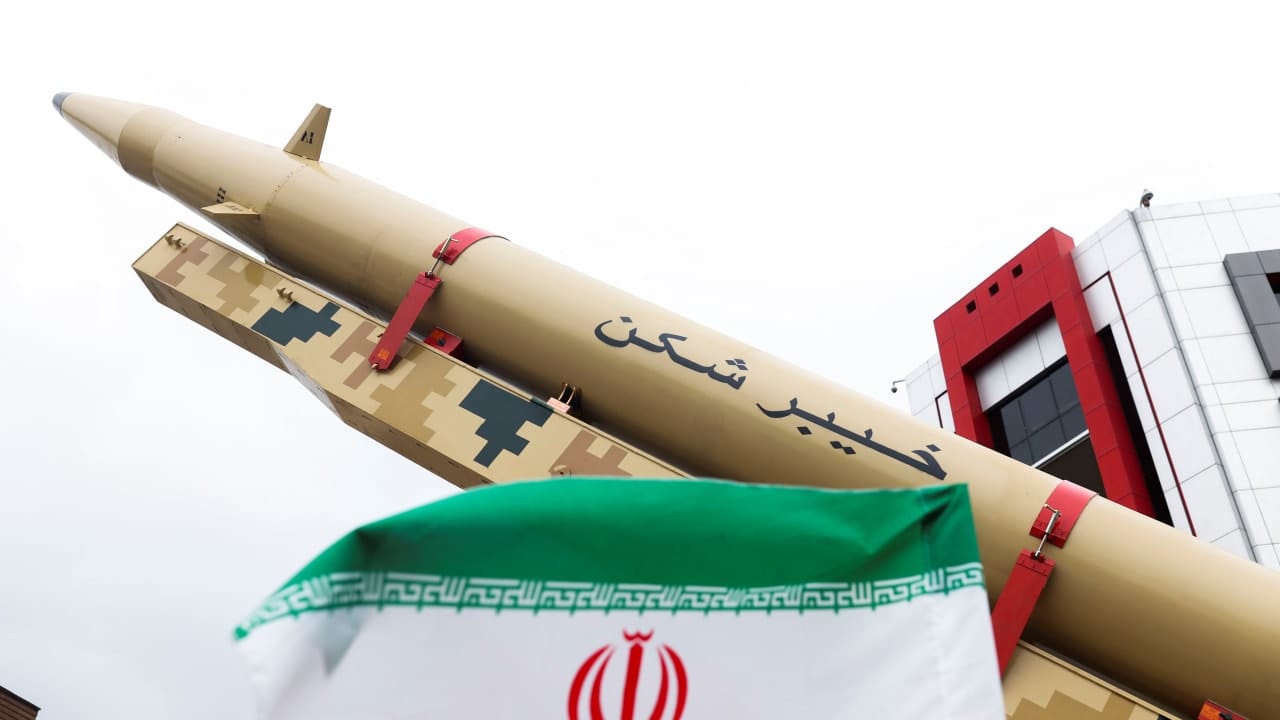
In a historic joint military effort involving over 15,000 air strikes over the past six weeks, the US and Israeli air forces eviscerated Iranian air defenses, wrecked the Iranian navy and air force, destroyed Iranian missile launchers, stockpiles, and manufacturing sites, smashed Iranian plants and energy facilities that fed the nuclear and ballistic missile industries, assassinated senior scientists critical to the nuclear and missile industries, eliminated army commanders and leaders of internal repression forces by the thousands, and decapitated the radical clerical leadership that provided genocidal validation for Iran’s hegemonic advances.
Even without the capture of Iran’s highly enriched uranium (which reportedly has been buried in the ruins of Isfahan ever since Operation Midnight Hammer last year), Iran likely has no ability to produce a nuclear bomb at this stage since the entire manufacturing chain in which Iran advanced toward a bomb was hit.
The war also deepened the economic pit in which Iran is mired. The US and Israel targeted significant dual-use infrastructure, including petrochemical processing facilities and steel production plants that collectively account for 15% of Iran’s total GDP and over 60% of its non-oil industrial output.
The current US blockade of the Strait of Hormuz threatens Iran’s last remaining financial lifeline: oil revenue, which accounts for 50 percent of the state budget.
Overall, Iran lost strategic, military, infrastructural, and economic assets. It wrecked its relations with Arab Gulf states too, since it hit them with over 6,000 missiles and drones – ending up in splendid regional isolation.
Iran struggled with military response against US and Israel
Notably, Iran struggled to mount a meaningful military response against American and Israeli forces, whether through its own capabilities or via proxies. Iran’s defense arrays and supposedly formidable intelligence services were exposed as porous. Iranians witnessed the regime’s humiliation.
This, importantly, reveals the gap between reality and radical Islamic propaganda, which had portrayed Iran as a power on the march, shaping the region around itself. The war also shattered the regime’s internal legitimacy. A state that commands genuine consent does not need to kill on a grand scale to clear the streets.
Indeed, Iran’s conduct during the war underscored the inevitability of the war. The Islamic Republic launched ferocious missile and drone attacks against its Arab neighbors, used cluster munitions against Israeli civilians, blockaded the Strait of Hormuz, and targeted points well beyond the region with heretofore hidden ballistic missile capacity.
Iran’s behavior clearly demonstrated that it cannot be trusted, that it poses a grave threat to regional and global security, and that it must be denied the ability to develop and deliver the ultimate weapon.
In sum, the six-week war was launched with a coherent cause and purpose. It was a moral and necessary endeavor, it was a successful skirmish, and it changed the strategic picture for the better.
Imminent Iranian threats were neutralized, Iran’s strategic capabilities suffered a severe (although reversible) blow, and the regime’s stability was shaken – even if it continues to totter on for a while.
Having triumphed in war, America and Israel must now win the narrative over the war, upholding the morality of the campaign, and asserting the justice of the harsh, essential restrictions on Iran going forward.
Preserving war gains requires prevention of Iran’s recovery – unless and until the country forgoes its threatening military programs and aggressive regional posture. The only way for Iran to recover is by accepting de-escalation on American terms.
To this end, the US must continue to choke Iran (no significant sanctions relief); isolate Iran (prevent soft European or Gulf Arab overtures to Iran); maintain military pressure on Iran (no near-term withdrawal of American forces from the region); ride herd on the enriched uranium (and again strike any reactivated nuclear development site); and support the emergence of a muscular Iranian opposition movement (supply them with weapons).
As for Israel: Israelis learned an important lesson, which is to maintain a proactive defense posture, including strategic ascendancy against the biggest and farthest enemies. Through outstanding military planning and execution, and with a staunch Great Power ally, Israel defeated Iran, and can do it again.
Israel defeated Iran even though that country is 10 times larger than Israel, is over 1,000 km. away from Israel, and was fueling four proxy armies on Israel’s borders, comprising tens of thousands of fighters with hundreds of thousands of rockets.
Equally important is the forbearance of Israelis, who showed that they can heroically weather full-scale war with Iran – in fact, two wars within one year.
Even during the war’s most intense days, the economy stayed open. Roads damaged by enemy warheads were repaved and reopened to traffic within hours. Discipline regarding homeland defense guidelines was impressive. Those who nevertheless lost their homes to Iranian bombs or were wounded are being well cared for. Families celebrated the Purim and Passover holidays quietly and cautiously, at home. Israelis are resilient.
The hardship was worth it. After all, the alternative to this successful war – a surging Iran armed with nuclear weapons and thousands of ballistic missiles – would have been enormously worse than anything Israelis have endured.
The writer is the managing senior fellow at the Jerusalem-based Misgav Institute for National Security and Zionist Strategy. The views expressed here are his own. His diplomatic, defense, political, and Jewish world columns over the past 30 years are at davidmweinberg.com