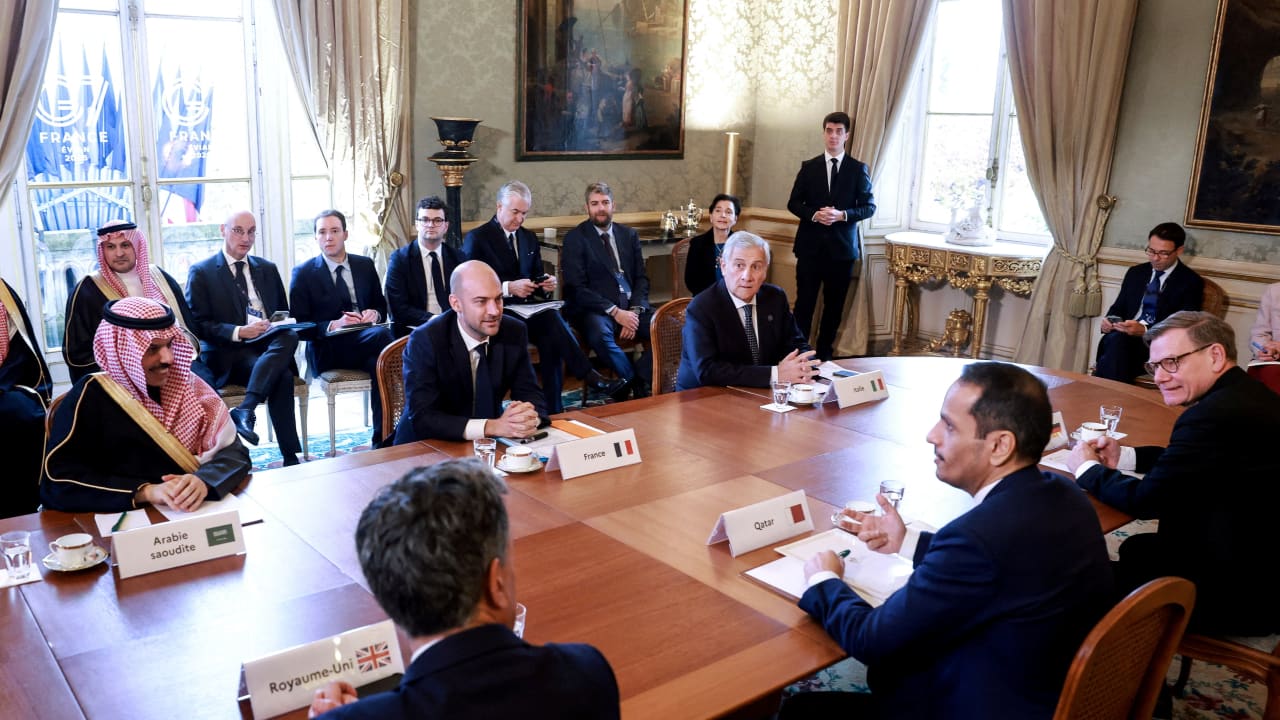
Qatari Prime Minister Mohammed bin Abdulrahman Al Thani, the main mediator between the US and Iran, has acknowledged in closed-door discussions that the gaps between Iran and the United States remain significant.
However, he added, Qatar and the other mediators are working to bridge those differences, two sources familiar with the details told The Jerusalem Post.
It is already clear that any potential agreement will be implemented in stages rather than through immediate, simultaneous steps. As a result, beyond the substance of the measures themselves, one of the key points of contention is the sequencing of those steps and which side will make the first move.
One of the reasons for Al Thani’s meeting with President Donald Trump at the White House on Monday was to reassure the Iranians that the US president genuinely wants to reach an agreement, a source familiar with the details said.
On Wednesday, Trump said: “The United States has won [the war]. It’s just a question of when we stop. We want to win 100%, not 90-something percent.”
Al Thani told G7 foreign ministers on Tuesday that Trump is currently allowing roughly two weeks for diplomatic efforts to exhaust all possibilities for reaching an agreement.
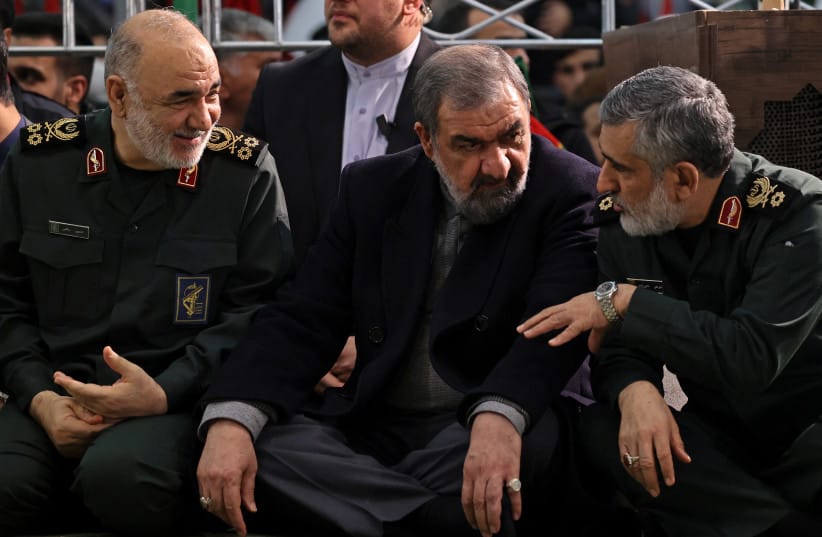
Rezaei: Iran will not allow any enriched nuclear material to leave Iran
This comes after Iranian Security Chief Mohsen Rezaei said that the Islamic Republic will not allow even a single particle of enriched nuclear material to leave the country, and there will be consequences in the event of any new US strikes.
Rezaei was speaking to Lebanon's pro-Iranian Al Mayadeen TV after US officials downplayed the need for additional military action against Iran, with analysts noting President Donald Trump's more conciliatory tone since the Republicans' defeat in the November 3 midterm elections.
Rezaei has said there are currently no negotiations taking place between Tehran and Washington.
"Any new US attacks will also be met with targeting US bases far away," he warned, referring to bases beyond the scope of the previous war.
The security chief was explicit in his warning, saying that military bases in European countries would be attacked should US aircraft launch attacks on Iran from them.
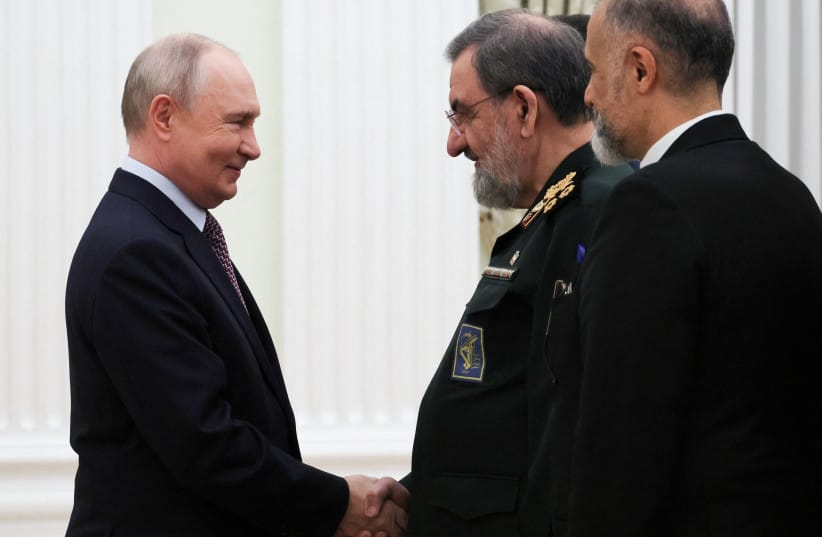
Iran's Supreme Leader has issued a directive that the country's near-weapons-grade uranium should not be sent abroad, two senior Iranian sources said in May.
Claims enriched nuclear material needed for ships, submarines
"We need the enriched material to design ships and submarines that work on nuclear energy", Rezaei said, adding that Tehran has informed Moscow that its enriched nuclear material will remain in the country and "we will use it ourselves".
Russia has previously offered to remove uranium from Iran as part of a potential deal to ease US concerns but said it was for Tehran to decide whether to remove it or not.
The IAEA estimates that Iran had 440.9 kg of uranium enriched to 60% - a level far higher than needed for civilian use - when Israel and the US attacked Iranian nuclear facilities in June 2025. How much of that has survived is unclear.
Israel, the United States and other Western countries have long accused Iran of seeking nuclear weapons. Iran denies the accusation.
Washington has said nuclear issues must be part of any initial negotiations with Iran aimed at ending the war between the two countries.
Iran has sent the United States a nuclear proposal via Qatar, to be discussed only after Washington meets seven demands which Tehran has presented, a senior Iranian official told Reuters last week.
Jonah Davidov contributed to this report.