The perception is that Iran may be slowly losing the attrition blockade in the Strait of Hormuz.
Tehran gambled on the idea that it could cut off shipping and hoped it would roil global markets. It wanted leverage that would pressure the US to end the war and the blockade. But the US has called Iran’s bluff for the most part.
The question is now why Iran has begun to talk up a seven-day relaxation of the blockade. That ceasefire plan has been floated for more than a week.
Tehran likely believed it could make this happen at the UN General Assembly. What happened, however, is that the US showed little interest. At least, most reports describe this cold shoulder as the US rejecting Iran’s push for a seven-day interim agreement.
Iranian Foreign Minister Abbas Araghchi reportedly said on Saturday that Tehran had yet to receive a formal response from Washington. While Iran had given a proposal to reopen the Strait of Hormuz, the US has rejected this, Rudaw Media Network, a news channel in the autonomous Kurdistan Region of northern Iraq, reported.

Iran's conditions for reopening the Strait of Hormuz
Araghchi’s “remarks came hours after [US President Donald] Trump told Rudaw at the White House that he had ‘rejected’ Iran’s proposal to reopen the Strait of Hormuz within seven days,” the report said.
Islamic Republic of Iran Broadcasting on Saturday quoted Araghchi as saying to journalists in New York: “We saw the first reaction from the US president, but nothing has yet been conveyed to us by the mediators.”
Rudaw Media Network quoted an Iranian diplomat as saying: “Reopening the Strait of Hormuz depends on these conditions being met; and we will make decisions based on a definitive response from the mediators.”
“Iran’s conditions for reopening the strategic waterway include the release of its frozen assets, an end to the war on all fronts, including in Lebanon, and the lifting of the US naval blockade of Iran,” the report said.
As such, it’s not clear whether the Trump administration would be willing to be seen as conceding to Iran. The US has invested a lot in this war since February. It will want something to show for it.
One of the main goals is preventing Iran from acquiring nuclear weapons. The focus of the war, however, has not actually been on the nuclear program.
This leaves a perplexing question, since Iran has shifted most of the talks to the Strait of Hormuz issue. Tehran has thus leveraged its proximity to the strategic waterway to make it the main issue of discussion.
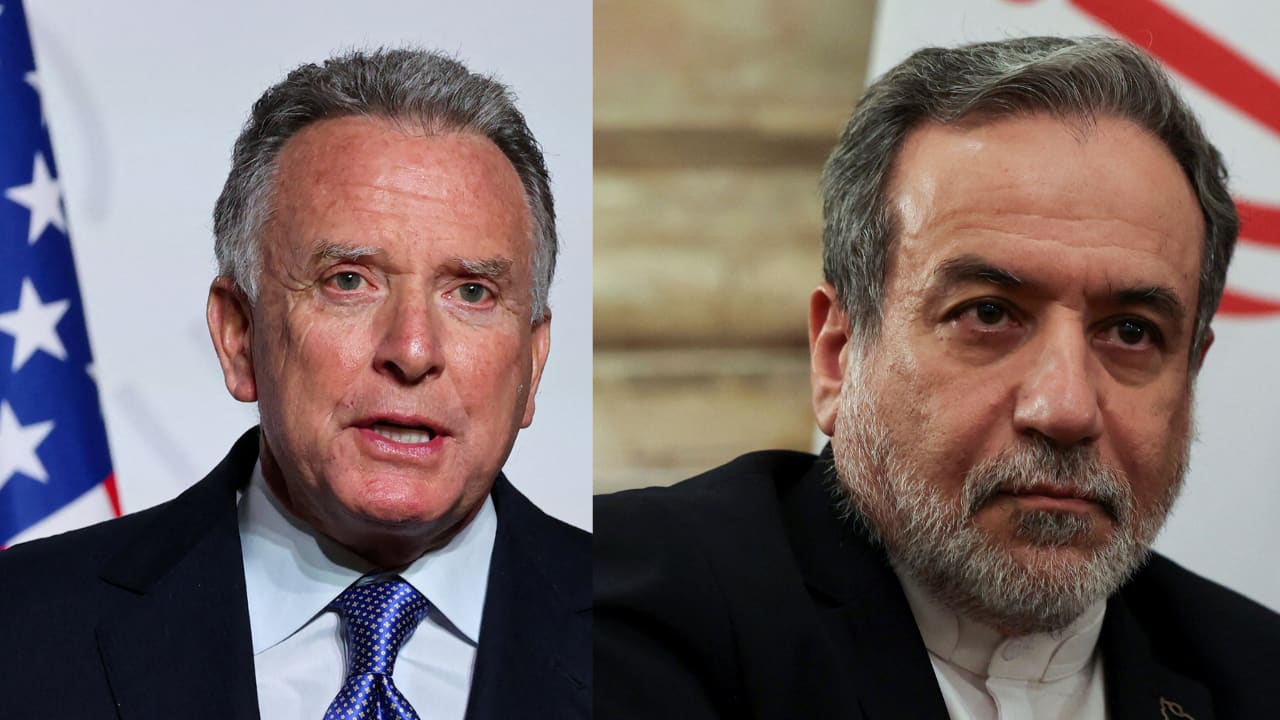
“The Iranian initiative comes after Washington and Tehran resumed diplomatic contacts in New York this week on the sidelines of the 81st United Nations General Assembly,” Rudaw Media Network reported. “Araghchi and US Special Envoy Steve Witkoff held talks on Tuesday through Qatari mediators.”
The US is now waiting out Iran. The Trump administration appears to think time is on its side, and that it can wait until the midterms.
Even if it does go back into some kind of memorandum of understanding with Iran, or a deal, it will want something to show for six months of conflict, and that is the key.
So far, Tehran is not handing the US a “win.” Iran is talking about kicking the can down the road and doing more interim deals. It tried this in the summer as well.
Tehran also appears to be binding the hands of its negotiators so that it can’t get a deal anyway. The US no longer trusts this kind of Persian bazaar of negotiations.
“I believe we’ll make a deal right after the election,” Trump said. “Will a deal be made with Iran that lets them rebuild and create a far greater country than it ever was before... or do I annihilate the Islamic Republic and do it quickly… with no chance of survival and no hope?”
Iran thinks it is winning
As long as the US believes the attrition is slowly going in its direction, there is no incentive to engage in another short-term deal in which Iran benefits. Tehran will need to come up with something more than its “seven days” concept, and it might have to adjust its demands for US concessions.
Iran thinks it is winning. The US also thinks it is winning. When both sides think they are winning, it is harder to get to an agreement.
Where Trump has excelled in the past is giving both sides the appearance of a win. The challenge today is that both sides believe time is on their side.