Israel killed Maher Qassem Hamdan, commander of the Lebanese Resistance Brigades terrorist organization in the Mount Dov (Shaba Farms) area in southern Lebanon on Wednesday, the IDF reported Thursday. Seven other terrorists were also killed while fleeing, it said.
Hamdan was responsible for terrorist recruitment, weapons supply, and funding the Lebanese Resistance Brigades in Shaba, the IDF said, adding that the organization is affiliated with Hezbollah, which funds it.
Israel also killed Ali Yusuf Harshi, a close aide to Hezbollah Secretary-General Naim Qassem, in a strike in Beirut on Wednesday, during a wave of attacks against Hezbollah infrastructure across Lebanon, the IDF reported Thursday.
Harshi was Qassem’s nephew and personal secretary. He was a senior adviser and played a central role in managing and securing Qassem’s office.
Overnight strikes targeted two key crossings used by Hezbollah operatives to move between areas north and south of the Litani River and transfer weapons, the IDF said. About 10 weapons storage sites, launchers, and command centers in southern Lebanon were struck as part of ongoing efforts to disrupt Hezbollah’s military capabilities, it said.

Separately, soldiers from the 401st Brigade located a shaft leading to a subterranean site from which a terrorist emerged and was killed in close-quarters combat earlier this week, the IDF said. Inside, troops discovered a cache of weapons, including explosives, rockets, RPG launchers, grenades, and other equipment, it said.
Soldiers from the 215th Fire Brigade killed more than 70 Hezbollah terrorists over the past few days, including a cell that was preparing mortar fire against Israeli forces, the IDF said.
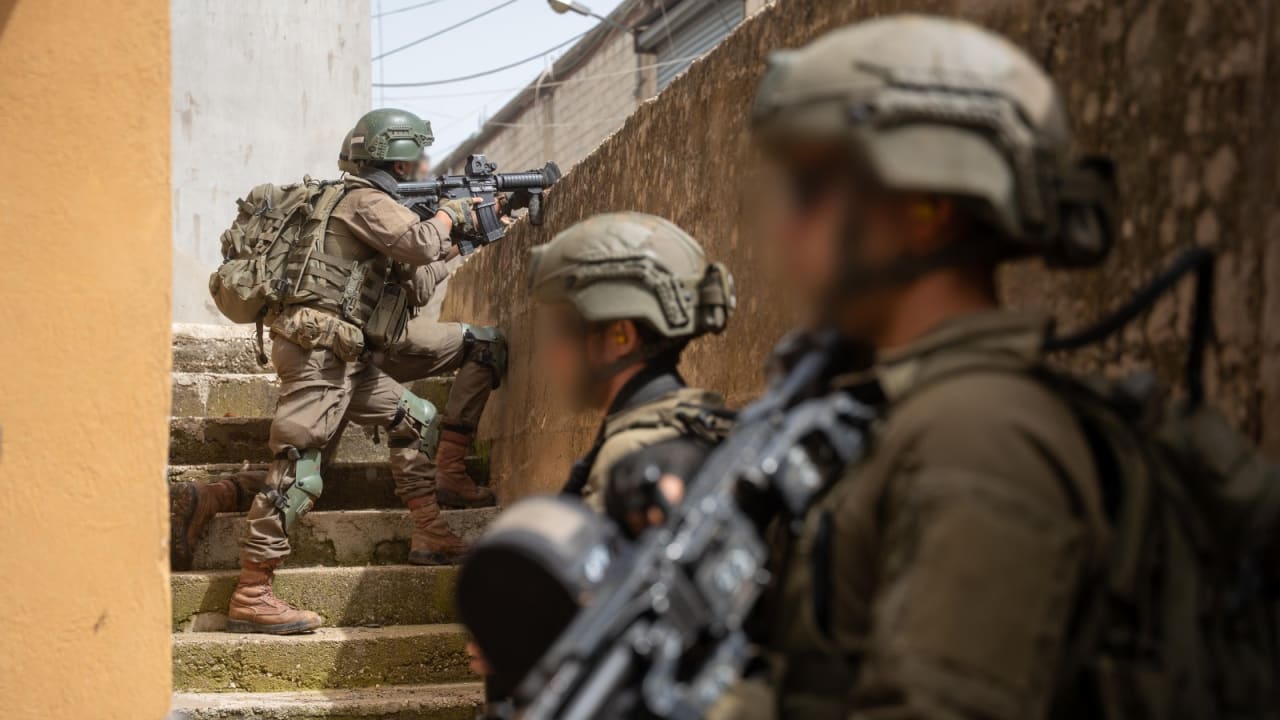
The troops moved into additional areas as part of efforts to establish operational control and reinforce Israel’s forward defensive line along the northern border, the IDF said. The operations were aimed at removing threats to Israeli civilians in the North while degrading Hezbollah’s infrastructure in the area, it said.
Soldiers located and seized a range of weapons, including firearms, magazines, and explosive devices that had been concealed, often within civilian areas, for use against soldiers, the IDF said. The weapons caches had been embedded within operational zones used by Hezbollah, it said.
The Paratroopers Brigade has now established operational control over key sectors in southern Lebanon, and it is carrying out strikes on what it described as terrorist infrastructure, the IDF said.
IDF activity in Lebanon aimed at reducing threats to frontline communities
The activity marks a continued expansion of Israeli ground maneuvers in Lebanon, as the military seeks to push Hezbollah forces further from the border and reduce immediate threats to northern communities.
The IDF released initial footage and images from the operations, showing troops conducting searches, locating weapons, and operating in built-up and rural terrain across southern Lebanon.
IDF carries out 'largest coordinated wave of strikes across Lebanon' since war began
On Wednesday, the IDF said it had carried out what it called its “largest coordinated wave of strikes across Lebanon” since the beginning of Operation Roaring Lion, targeting more than 100 Hezbollah command centers and military sites across Beirut.
The IDF has said it was carrying out operations “in accordance with directives from the political leadership,” amid conflicting reports of whether Lebanon is included in the ceasefire with Iran announced earlier this week by US President Donald Trump.
Prime Minister Benjamin Netanyahu has insisted that Lebanon was never part of the ceasefire agreement.