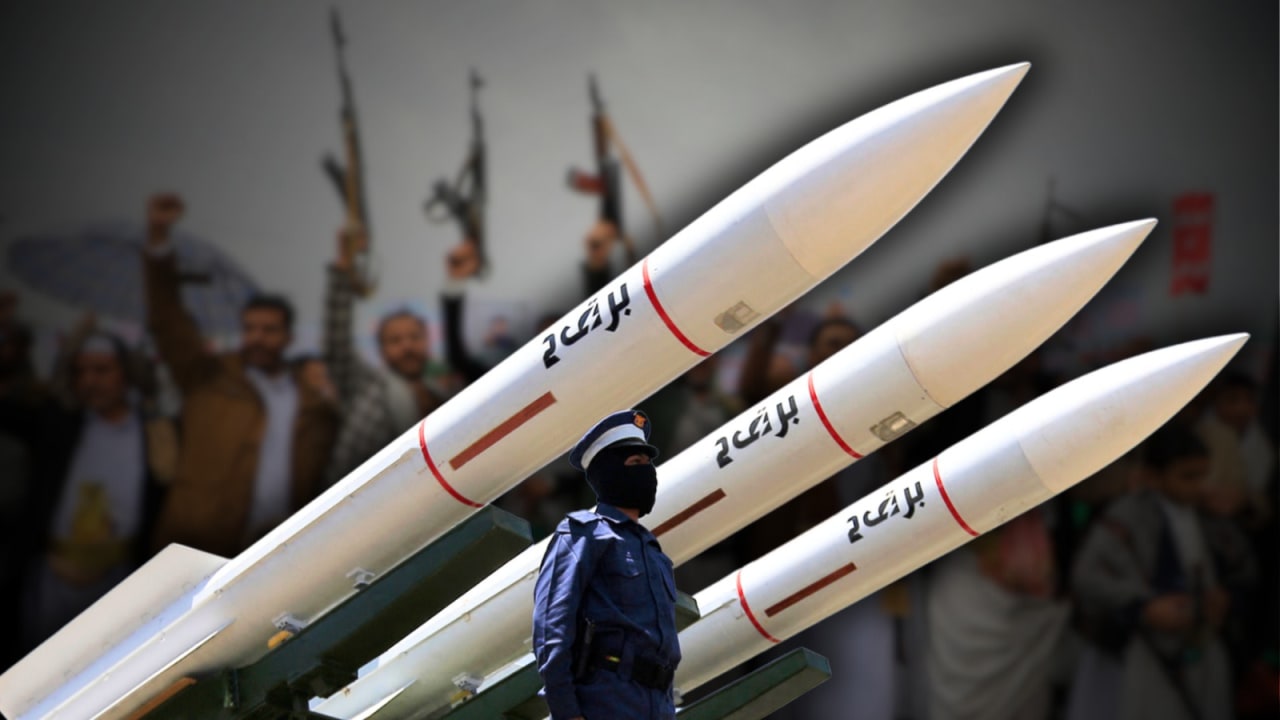
With Iran blocking the Strait of Hormuz, the Houthis' threat to close the Bab el-Mandeb Strait is likely one of the reasons Gulf states have not responded militarily to Iran’s attacks, Yemen expert Inbal Nissim-Louvton, from the Open University and the Moshe Dayan Center at Tel Aviv University, told The Jerusalem Post on Tuesday.
Nissim-Louvton spoke to the Post after senior Houthi leader Mohammed Ali Al Houthi told CNN that the terror group would refrain from attacking Saudi Red Sea Ports so long as Riyadh doesn’t join the US and Israel in attacking the country.
“There is no intention to target any Muslim country except in response to aggression against Yemen,” Al Houthi said, adding that the group’s objective “is to prevent the Red Sea from being used militarily against any Muslim country.”
While the efficacy of the Houthis’ direct attacks on Israel has been less than that of Hezbollah and Hamas, launches could cause “enough damage” to make Riyadh consider the threat, she said. With the country already having been attacked hundreds of times by Iran, Riyad would likely want to avoid potentially expensive damages to its airports, oil facilities, and government buildings.
“The Saudis know best,” Nissim Louvton said, citing the 2019 strikes on Abqaiq and Khurais oil facilities. “This was one of the things that drove Saudi Arabia to pursue, again, a diplomatic route with the Houthis, and also to try and renew diplomatic relations with Iran, with the help of China…it had an effect, whether it was the Houthis or Iran, it had an effect on the way that they perceived the Houthis. So it's going to be enough of a headache for them to take into [consideration], even though it's not as big as the Iranian threat.”

Asked whether the Houthis risked making Yemen a legitimate target, given that the Houthis do not have the same ability to respond as Iran, Nissim-Louvton shared that it's possible but that regional actors were trying to avoid such an escalation, and the Houthis have so far only threatened to close Bab el-Mandeb Strait rather than actually taking the action.
Houthis looking for a level of legitimacy
The Houthis had to carry out some level of attack to validate their position in Iran’s ‘Axis of Resistance,’ but are reluctant to take more significant action, she explained, highlighting that the Al Houthi stressed the group had decided their actions independently from Tehran. The group does not have the same relationship to Iran as the typical proxy group, but has benefited from a level of legitimacy and support by joining the axis.
“If any of the Gulf states would join the fighting against them, or any other countries or European states, this can be a game changer,” she stressed. “So I think they are cautious enough and pragmatic enough not to because they could have done it immediately as soon as they joined Iran and Hezbollah, and they didn't. So, they are taking the measures now. They are threatening to do that, but they're not doing it just yet, because I think they understand this is a different game, but it's definitely leverage for them and a good to Saudi Arabia and the UAE and other countries.”
Expanding the conflict could also see the Horn of Africa dragged into the war, she warned. The US has military bases there, and Israel’s relationship with Somaliland could see the country threatened.
While closing the strait would harm many regional countries, it would also certainly worsen Yemen’s humanitarian crisis, potentially worse than that seen during the civil war, Nissim-Louvton warned. While attacks on Yemen have generally only lightly touched on the ports in Hodeidah, Ras Isa, and Salif, an all-out war with the Houthis could leave the country unable to import desperately needed food and medicine supplies.
The civil unrest resulting from the humanitarian disaster would likely only strengthen the Houthis as they would serve the international community with dire pictures of civilian life impacted by the war, she noted. The Houthis have already faced significant criticism by civilians but have so far been able to silence the dissent with accusations that those voices are serving the “Zionist entity,” she concluded.