
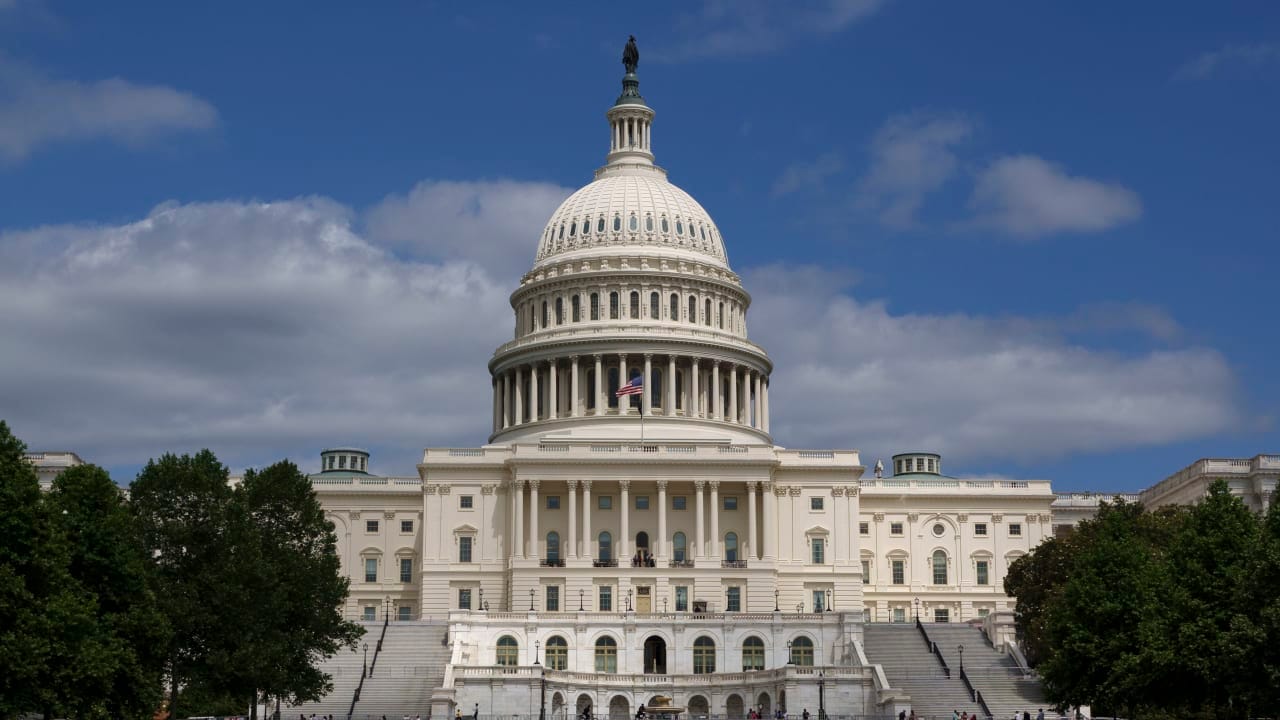

No matter who becomes Israel’s next prime minister, he will inherit a strategic challenge that cannot be resolved on the battlefield alone: Israel’s growing international isolation and deteriorating relationships with significant segments of both the American Left and Right. The president who takes office in January 2029 may be far less sympathetic to Israel’s security concerns than the current administration.
Israeli analyst Haviv Rettig Gur has argued that Israel has “pushed away its allies.” A Jerusalem Post editorial, citing influential Jewish American Bill Ackman, warned that Israel must listen to its friends rather than dismiss their concerns: “Itamar Ben-Gvir and Bezalel Smotrich have caused enormous reputational damage through statements and actions portrayed internationally as representing all Israelis.”
The next prime minister must confront an uncomfortable truth: not all hostility toward Israel is simply antisemitism. Antisemitism is real, but Israel also has friends, particularly in America, whose support cannot be taken for granted. Understanding their concerns and managing these relationships wisely is an essential responsibility of national leadership.
Beyond fluent English
Israel’s international legitimacy is a strategic asset, not a secondary concern. Preserving it requires more than funding communications. It demands a coordinated national strategy, statesmanlike leadership, rapid responses to unfolding events, and sustained engagement with foreign governments, journalists, and the public.
Above all, it must focus on America, Israel’s indispensable source of diplomatic protection and essential military equipment.
Israel needs fluent English-speaking spokespeople who understand American culture, media conventions, and political sensitivities. They must communicate clearly and with empathy without sounding arrogant or dismissive. A diverse group of credible men and women can demonstrate that Israel is a complex society, not the caricature of a privileged, Western, “white-adjacent” state portrayed by some critics.
The objective is not to deny Israel’s mistakes or demand unconditional support. It is to explain its historical connection to the land, its security concerns, and its rights under international law, while acknowledging Palestinian civilian suffering and the role Palestinian leadership has played in perpetuating the conflict.
Israel must challenge Palestinian rejectionism, incitement, and the Palestinian Authority’s payments to convicted terrorists and their families. It must explain how successive Palestinian leadership decisions and the failure to accept peaceful coexistence with a Jewish state have obstructed negotiations. If this were merely a territorial dispute, it would have been resolved long ago.
Above all, Israel must demonstrate that its right to exist transcends any particular prime minister and rests on a compelling historical record, ancient and modern.
America’s warning signs
The deterioration in American public opinion should be a wake-up call in Jerusalem.
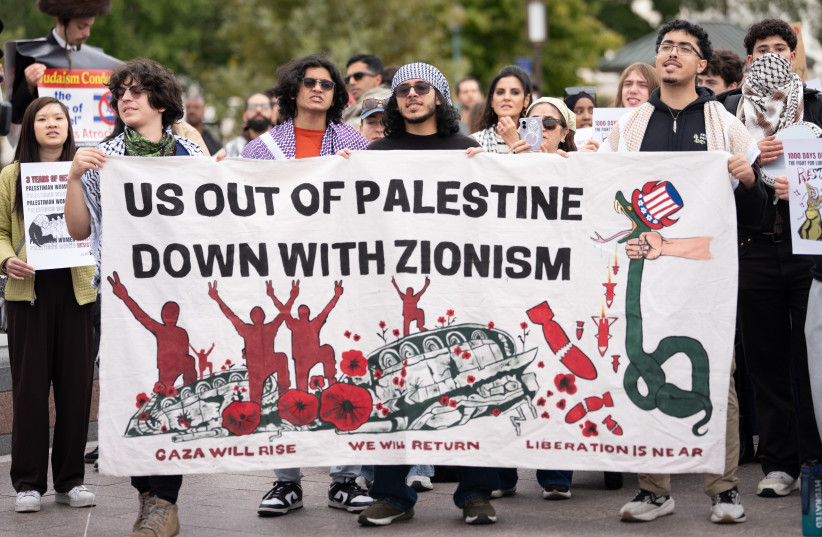
According to Pew Research Center’s April 2026 findings, 80% of Democrats and Democratic-leaning independents viewed Israel unfavorably, up from 69% in 2025 and 53% in 2022. A July 2026 Marquette Law School national poll found that only 29% of Republicans aged 18-29 viewed Israel favorably, compared with 77% of Republicans aged 60 and older.
These figures expose a strategic vulnerability. Israel cannot assume traditional Republican support will carry over to younger generations while ignoring growing alienation within the Democratic Party.
The next prime minister must treat these trends as a national security concern, not a communications inconvenience. A future American administration facing a skeptical electorate and a divided Congress could end unconditional diplomatic support and military freedom of action.
A fragmented message
Prime Minister Benjamin Netanyahu understands public diplomacy. His command of English and ability to present Israel’s security case have long been valuable assets. Yet partisanship has undermined those strengths and risks further alienating Jewish Democrats, who represent approximately 70% of American Jews.
The problem is not a shortage of compelling arguments. It is an environment in which facts struggle to gain traction when they conflict with prevailing anti-Israel narratives, compounded by the absence of a coherent, proactive communications strategy at critical moments.
In August 2025, Netanyahu acknowledged shortcomings in the National Public Diplomacy Directorate, criticizing a bureaucracy he said was stuck in the 1980s. Perhaps the mirror should have pointed inward. Fragmented government communications and delayed responses allowed damaging narratives to spread before Israel’s explanations reached international audiences.
Gadi Eisenkot captured the distinction when he asked: “Where was Netanyahu’s excellent English on October 7?” He also questioned whether the prime minister’s fluency had strengthened the US-Israel relationship. The underlying question is legitimate: What is eloquence worth without an effective strategy and durable political relationships?
Netanyahu deserves credit for genuine diplomatic achievements. The Abraham Accords demonstrated that Israel could expand regional cooperation without first reaching a comprehensive Israeli-Palestinian agreement. He has also consistently highlighted the threat from Iran and its proxies. But success in one arena does not automatically protect Israel’s standing in another.
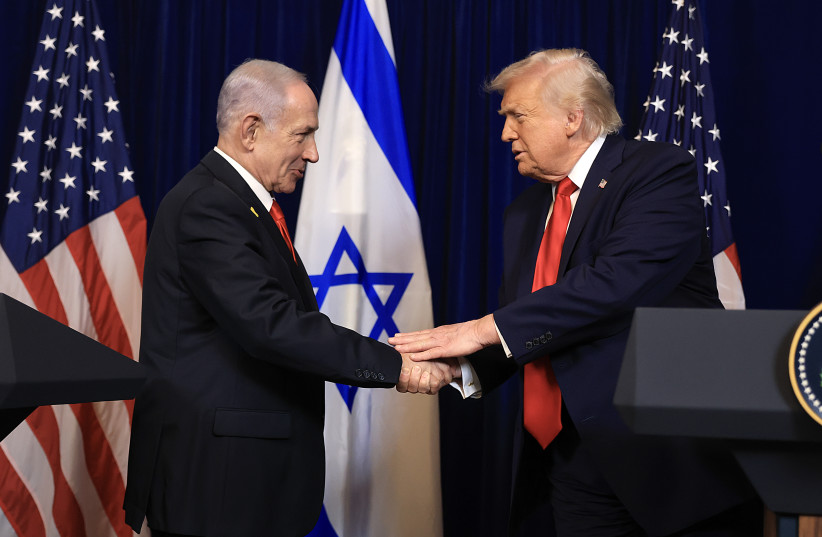
His close relationship with US President Donald Trump offers strategic leverage, but personal access to one president cannot replace bipartisan congressional support, public confidence, or relationships with future administrations that may be less inclined to give Israel the benefit of the doubt.
Credibility begins at home
Public diplomacy cannot be separated from government policy. No communications director can indefinitely compensate for decisions that alienate allies or rhetoric that contradicts Israel’s democratic values.
The next prime minister must confront violent extremism, including attacks by Hilltop Youth extremists, and unequivocally condemn racist or inflammatory statements by politicians such as Ben-Gvir. This is not a concession to Israel’s adversaries. It demonstrates that the Jewish state takes its own principles seriously.
Israel must explain its security operations, humanitarian decisions, and long-term objectives promptly and transparently. It should challenge false allegations vigorously, but also offer credible responses and a willingness to acknowledge mistakes. The goal is not to win every social-media argument; it is to build trust that survives the next crisis, with the shrinking audience of open minds.
Israelis also deserve an explanation of why scarce resources must be devoted to diplomacy while the country faces threats on multiple military fronts. Diplomatic isolation carries tangible security costs: it can weaken intelligence cooperation, constrain arms supplies, encourage economic restrictions, and narrow American support during future conflicts.
A less sympathetic American administration could extend restrictions beyond settlement goods to Israeli companies or institutions with commercial links to the West Bank. Such measures are not inevitable, but ignoring the possibility would be strategic negligence.
The clock ticks
Israel needs a unified public-diplomacy strategy led by experienced professionals with authority to coordinate ministries, embassies, consulates, and military spokespeople. It needs rapid-response teams, sustained engagement with younger audiences, credible messengers outside the prime minister’s political circle, and a commitment to rebuilding bipartisan relationships in Washington.
Israel must explain not only what it opposes, but what future it seeks: security for Israelis, a realistic path away from perpetual conflict, regional cooperation, and a political horizon that neither rewards terrorism nor threatens Israel’s existence.
The next prime minister must understand that pandering to extreme coalition partners may bring short-term domestic benefits while undermining Israel’s long-term national interests.
Trump’s term ends in January 2029. Israel cannot assume his successor will provide the same diplomatic protection, regardless of party. Military superiority cannot indefinitely compensate for diplomatic isolation.
This is Israel’s eighth front. Winning it requires more than fluent English or a gifted prime minister. It requires a professional strategy and the political courage to recognize that Israel’s security depends not only on its ability to defend itself, but also on its ability to maintain America’s trust.■
Dr. Mandel is the director of MEPIN, the Middle East Political Information Network, and is the senior security editor of the Jerusalem Report. He briefs members of Congress and their foreign policy advisors, as well as the State Department.