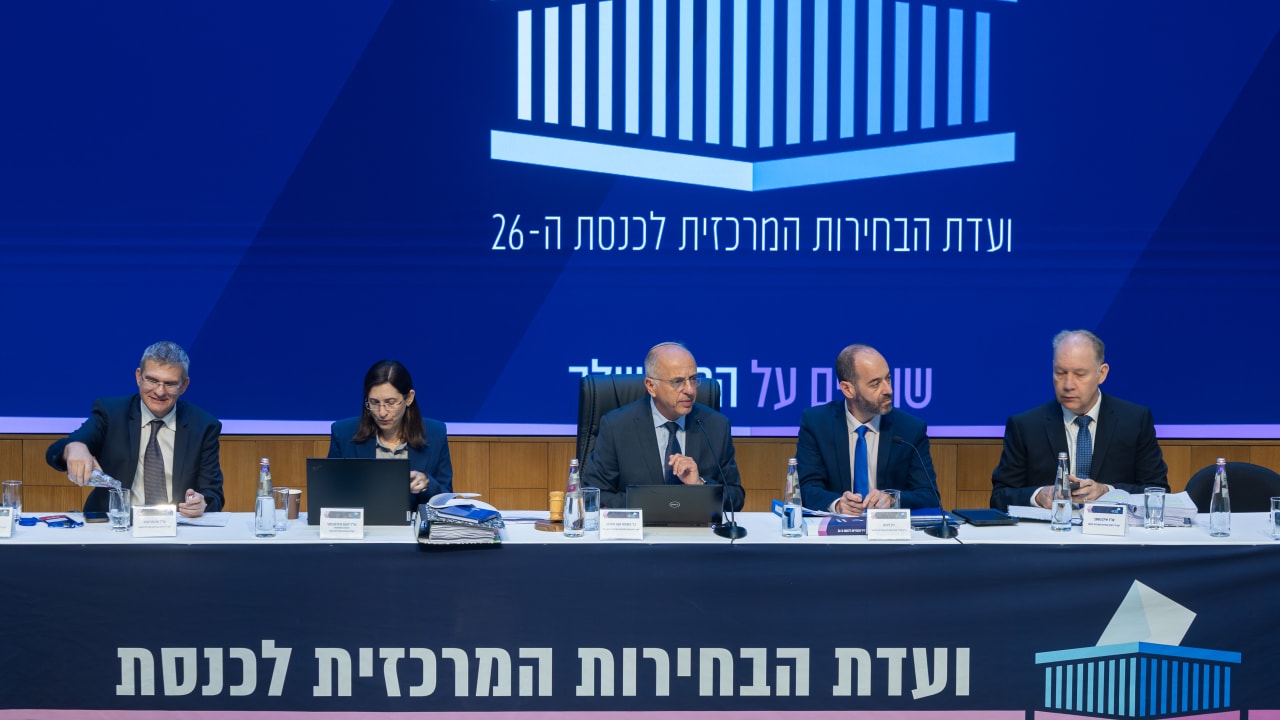
Central Elections Committee chairman Justice Noam Sohlberg rejected Likud’s demand on Monday for a briefing on suspected foreign interference before approving the election results, warning that the outgoing parliamentary majority has no authority to withhold their publication.
“Elections have results. Those results do not depend on the consent of the majority group in the outgoing Knesset, or its representatives,” he wrote to Likud representative and committee deputy chairman attorney Ilan Bombach.
Sohlberg said interpreting the committee’s powers as allowing it to block publication, and thereby extend the outgoing Knesset’s term, would contradict “fundamental democratic principles.”
Likud accused Arab parties of 'stealing' election
The exchange came after days of Likud allegations that Arab parties had “stolen” the election and its calls on other parties not to rely on Arab representatives to form a government or replace the Knesset speaker. Police had said they had no investigative or intelligence support for the broader stolen-election claims.
The completed count left Prime Minister Benjamin Netanyahu’s bloc with 53 seats, short of a parliamentary majority. Official results are scheduled to be published and submitted to President Isaac Herzog on Wednesday.
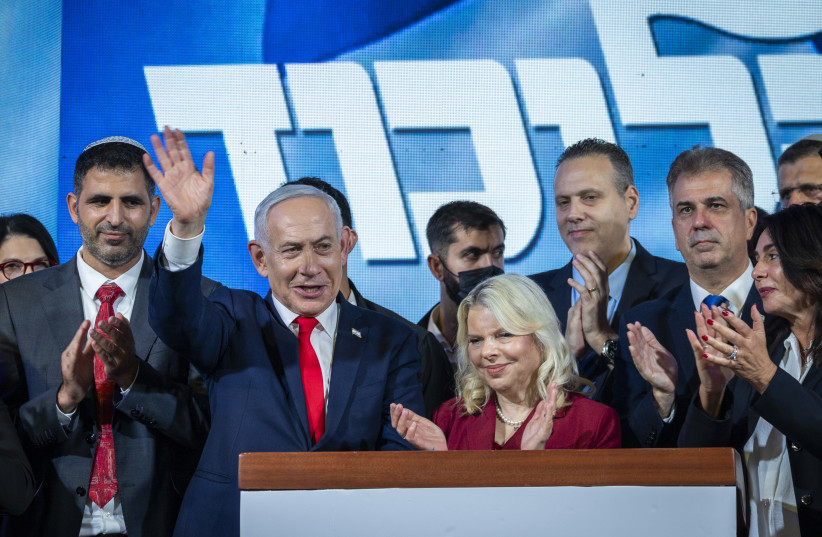
Bombach sought an urgent meeting of the committee’s leadership, with Shin Bet Director David Zini participating, before Wednesday’s session. He demanded details of the suspicions, investigative steps and findings, arguing that the seriousness of the allegations and uncertainty about their scope prevented members from approving publication “as though nothing had happened.”
He said the committee’s leadership would fail in its duties if it approved the results without first receiving the information. Members could receive classified material and sign confidentiality undertakings, he argued, noting that he held a high security clearance.
Sohlberg rejected both the demand for information and the premise that the investigation could give committee members grounds to withhold publication.
Section 11 of Basic Law: The Knesset requires election results to be published in the official gazette (reshumot) within eight days of the vote. Sohlberg said no authority had been granted discretion to disregard that deadline. Those entitled to challenge the results could do so in court, under the conditions set by law.
His explanation addressed the distinction at the center of the dispute: approving the calculations does not give the committee a political veto over the electorate’s decision.
Citing Regulation 125 of the Knesset Elections Regulations, Sohlberg said the chairman and his deputies were responsible for totaling valid votes and calculating the distribution of seats according to the statutory formula and material received from election committees.
The full committee’s role was to approve those calculations, he wrote. Neither body was empowered to invalidate votes, substitute different results or decide that the results would not be published.
Nor could a Knesset’s term be extended merely because suspicions had arisen, even if they were under investigation, Sohlberg said. He characterized Bombach’s request as effectively seeking such an extension.
He cited a specific section of the Basic Law which permits an extension only through legislation supported by at least 80 MKs, under special circumstances preventing elections from being held on time, and for no longer than those circumstances require.
Sohlberg: Requested investigative briefing outside authority of committee’s leadership, plenum
Sohlberg also said the requested investigative briefing fell outside the authority of the committee’s leadership and plenum. He warned that disclosing information beyond what had already been made public was expected to disrupt the investigation.
The suspicions have not been left unexamined. The Shin Bet (Israel Security Agency), police and State Attorney’s Office were working intensively to complete the investigation as soon as possible, he wrote.
The letter followed Sohlberg’s public statement on Sunday that even if the foreign-funding suspicions were substantiated, they would not undermine the integrity of the election or its results as a whole. He also cautioned against casting aspersions on Arab voters.
Likud challenged that assurance, asking how Sohlberg could reach that conclusion before the investigation ended.
Yashar chairman Gadi Eisenkot accused Likud and Netanyahu on Monday of attacking the legitimacy of the results and the elections committee, describing their conduct as a direct attack on Israeli democracy.