Live Updates: Matan Kahana becomes new Knesset speaker, Shin Bet finds no evidence of vote-buying
Ben-Gvir blasts Kahana over support from Arab parties in speaker election • Bennett 'very optimistic' at unity tent as Eisenkot bloc weighs coalition with Netanyahu
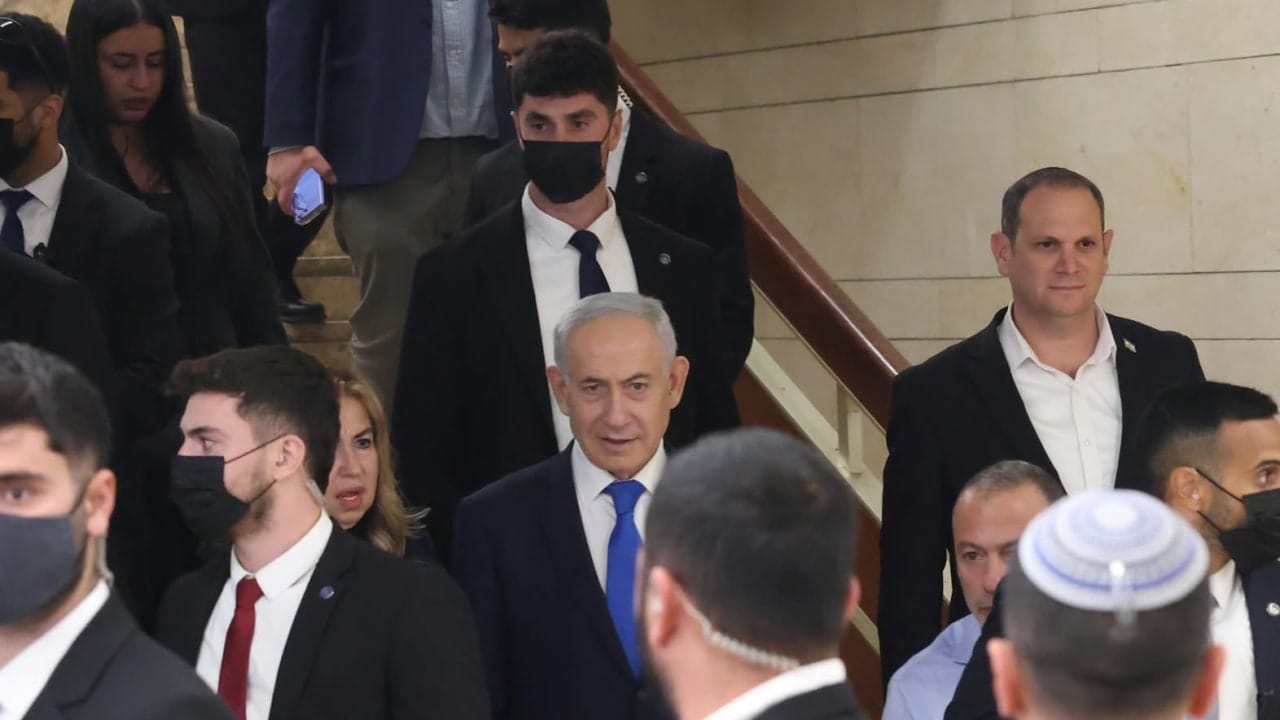
Likud condemns Kahana's election, says Eisenkot's bloc chose Arab parties over unity
Eisenkot congratulates Kahana's election as speaker, celebrates 'new chapter' for Knesset
Ben-Gvir blasts Kahana over support from Arab parties in speaker election
Yair Lapid celebrates election of Kahana as new Knesset speaker
Knesset elects Yashar's Kahana as new speaker, ousting Ohana despite Likud challenge
Kahana, the candidate put forward by the bloc led by Eisenkot, secured a majority of 66 over Likud candidate MK Ofir Katz, who received 52 votes in support.
Democrats Chairman Yair Golan welcomes Kahana as new Knesset speaker
Bennett congratulates Kahana on election as Knesset speaker
Netanyahu's claim of Arab parties stealing election haunts unity talks with Eisenkot - analysis
On Sunday night, another scandal was born. Same arrests. Same envelopes. This time the question was whether someone in the Prime Minister’s Office deliberately fed false information to the police.


Netanyahu: We need national unity gov't, including haredi parties
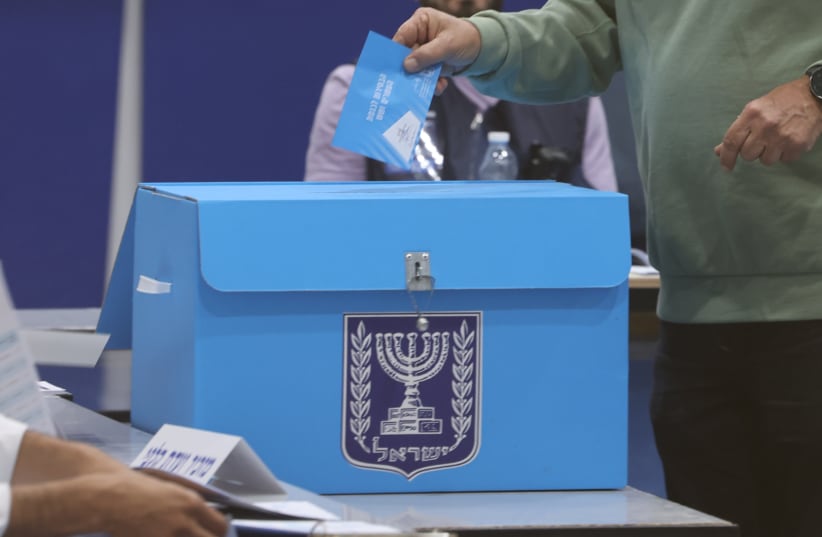
Solhberg: No evidence of vote-buying through bribery thus far, Shin Bet still investigating
The suspicions concern money allegedly transferred from abroad to influence the election.