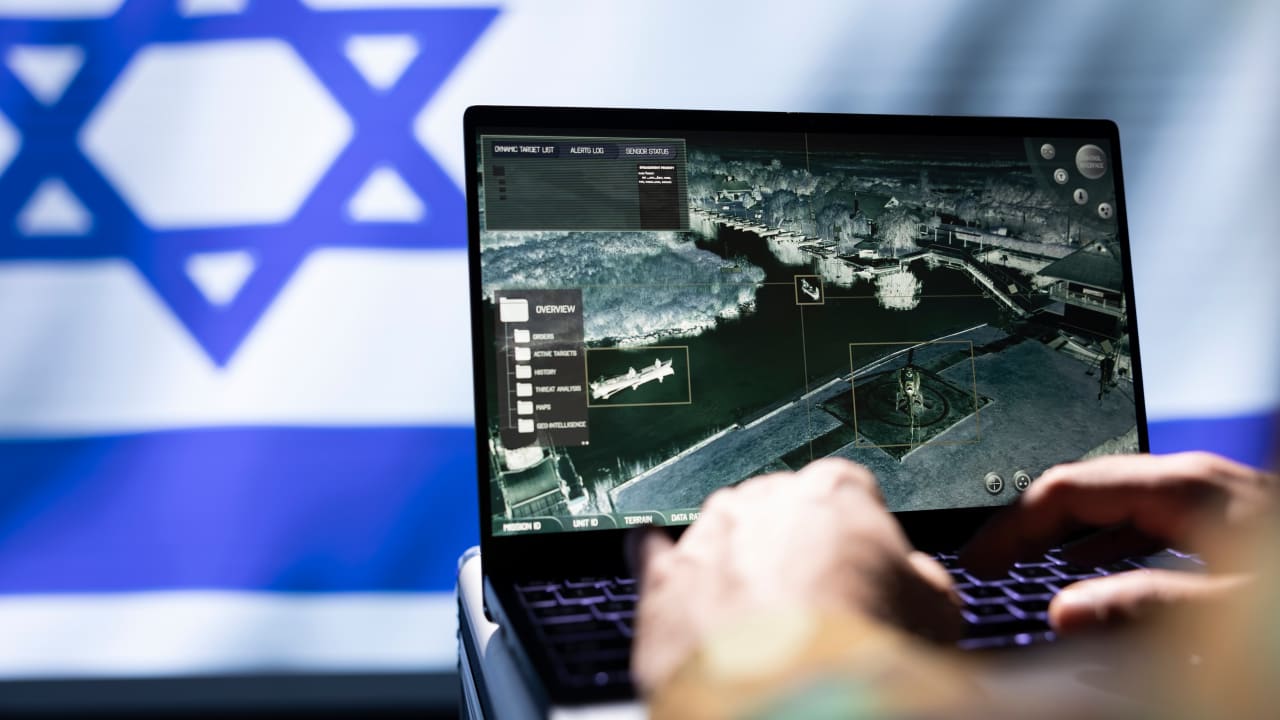
Cyber operations have moved from being on the periphery of modern conflict to a strategic center, and are likely helping to shape every military decision in the American-Israeli war against Iran, known in Israel as Roaring Lion and in the United States as Epic Fury.
According to Shay Nachum, CEO of CYGHT and recipient of the Israel Defense Prize, cyber warfare is no longer just a parallel domain of war, but a core layer that is critical in shaping intelligence, operations, and even psychological influence campaigns.
Speaking to Defense & Tech by The Jerusalem Post, Nachum said that the current war has exposed a truth long in the making: Cyber capabilities influence “every decision and every missile we fire.”
Intelligence, SIGINT, targeting, and operational planning all rely on cyber-derived information.
“Cyber is the fuel for every corps - air, land and sea,” he said. According to him, it provides the precision and real‑time data that guide physical platforms to their targets.

Nachum says the conflict in June, known as Rising Lion, initially focused on halting Iran’s nuclear and missile programs and has now broadened into a campaign targeting the stability of the Islamic Republic itself as part of Roaring Lion/Epic Fury.
“No one is immune,” he said. “The goal is broader now, it’s to destroy the regime.”
Cyber as a central tool
Pointing to two incidents that have circled widely - an alleged audio recording of Prime Minister Benjamin Netanyahu addressing the Iranian people, and a push notification sent through a popular Iranian app telling citizens that help was on the way- Nachum said that cyber operations have become a central tool in toppling the regime.
According to Nachum, Israel and the United States now view influence operations as essential to accelerating internal pressure on the regime.
“The regime won’t fall on its own, or even from firepower alone,” he told D&T. “But if the Iranian people take action, it will fall faster.”
According to him, Iran has attempted similar operations inside Israel, seeking to inflame internal divisions. But the scale and sophistication of the current Israeli‑American effort, he argues, is unprecedented.
From Stuxnet to deep penetration
Nachum traces the roots of today’s cyber confrontation back to 2010, when the Stuxnet worm, widely attributed to Israel and the United States, damaged Iran’s nuclear centrifuges.
“The regime should have understood then that Israel and the US had succeeded in penetrating their nuclear program,” he said. Even back then “they were already compromised.”
Pointing to the June breaches of Iranian bitcoin exchanges and IRGC‑linked banks as examples of how thoroughly foreign intelligence services have infiltrated Iranian networks
“Fifteen years later, Western access is far deeper”, he told D&T. “These compromises show you that Western militaries are inside your infrastructure. Inside their critical decisions.”

Iran’s digital isolation and its vulnerabilities
Throughout the war, Iran has sharply restricted internet access, leaving only a small fraction of the population online. Nachum estimates that roughly 4% of Iranians retained connectivity during the height of the fighting. The goal, he said, was to block Israeli and American messaging and limit the spread of anti‑regime sentiment.
Yet even with the public internet largely shut down, Iran remains exposed. Its internal intranet that’s used for banking, government services, and industrial systems-continues to operate. Nachum believes this network is a key target for future cyber operations during the current war.
“We may see the Israelis and Americans continue to compromise Iranian‑related infrastructure like financial, telecom, and manufacturing systems,” he said. “These are the systems that keep the regime functioning.”