Publicly traded Israeli infrastructure investment company Keystone Infra reported stable first‑quarter results for 2026, alongside progress on several strategic initiatives that are reshaping the company’s role in Israel’s infrastructure sector.
What began as a relatively conservative fund in 2019 has evolved into a platform with holdings across energy, renewable energy, transportation, water, real estate, and digital infrastructure, in partnership with Israel’s national government.
The fund, a member of the TA-90 index on the Tel Aviv Stock Exchange, recorded NIS 67.5 million in revenue and NIS 32.3 million in net profit.
The company’s investments are now valued at NIS 4.6 billion. Since its founding, it has generated NIS 924 million in cumulative proceeds. Dividend distributions have reached NIS 286 million, including NIS 46 million already paid out this year.

Data-center development
Energy remains the backbone of the Keystone portfolio and is becoming a defining part of the company’s strategy. It has now grouped its six power plants – three in operation and three in various stages of development – under a dedicated subsidiary.
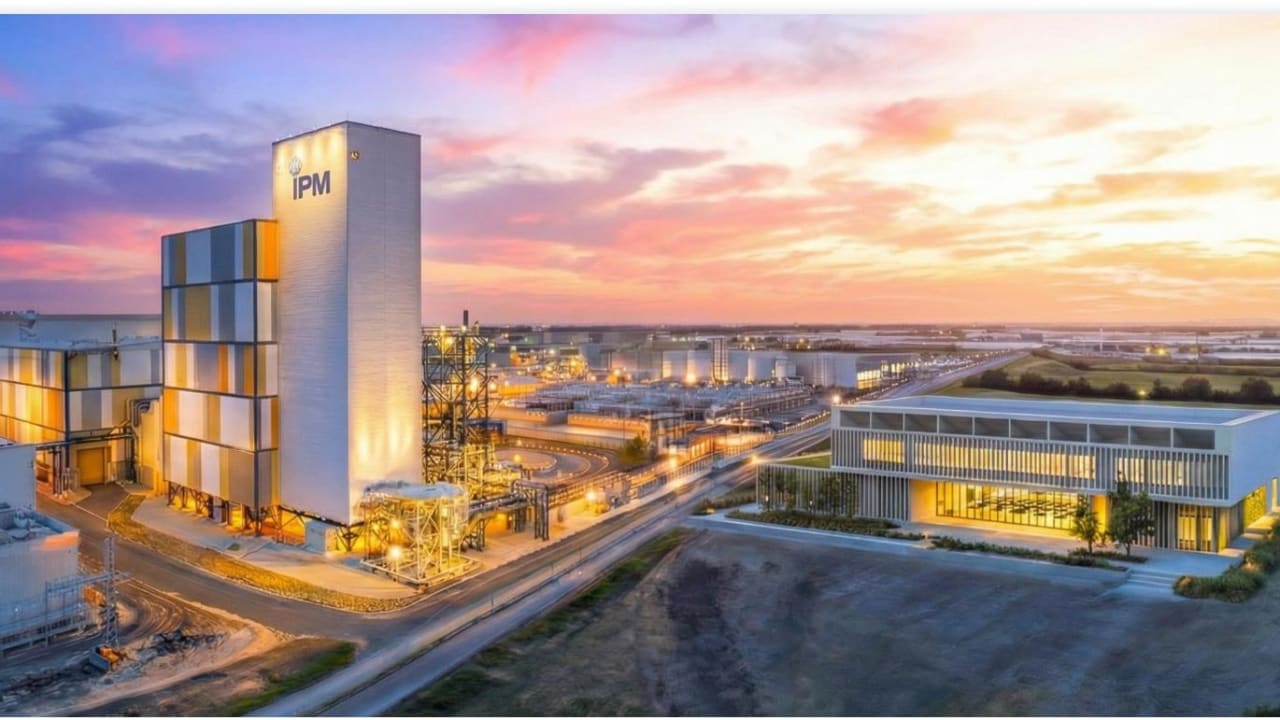
Among them is the IPM plant in Be’er Tuvia, one of the country’s most advanced private power stations and now the site of Keystone’s first major push into data‑center development.
Construction is underway on a 40‑MW IT data center at the IPM site, a project that ties electricity production directly to the growing demand for high‑density computing and AI‑ready infrastructure. Two more data‑center projects, totaling 60 MW IT, are in planning on land owned by Egged in central Israel.
Egged itself remains one of Keystone’s most important assets.
The recent entry of Meitav as a 10% partner valued the transportation operator at 6 billion NIS, roughly 22% above the valuation at which Keystone bought in. Egged has distributed around NIS 1 billion in dividends since that acquisition three years ago, and Keystone has now reorganized its real‑estate holdings into a separate subsidiary, while completing a refinancing of the partnership.
CEO Navot Bar has been clear about the direction he wants the company to take. Keystone, he says, is preparing for a decade in which electricity demand, mobility needs, and digital infrastructure – particularly data centers – will all rise sharply. The company’s strategy is built around the idea that the next wave of infrastructure investment will sit at the intersection of power generation, land, and computing capacity.
“We continue to advance Keystone as a national‑infrastructure platform operating in the fields of energy, transportation, real estate, and digital infrastructure. Alongside stable cash flow and consistent dividend distribution, we are focused on enhancing asset value, developing new growth engines, and preparing for the demand of the coming decade—led by rising needs for electricity, data centers, and AI infrastructure," he said.
"The steps we advanced during the quarter—including continued development of the data‑center activity arm, promoting and realizing value in the energy, transportation, and communications platforms, and advancing real‑estate activity and continued value realization in Egged—constitute a significant milestone on the path toward our stated goal: doubling Keystone’s equity to approximately 4 billion NIS by 2030," he added.
Since its founding, Keystone has invested NIS 3.1 billion in infrastructure assets, and it is now working toward a long‑term goal of doubling equity to NIS 4 billion by 2030. With Israel’s infrastructure needs expanding on multiple fronts, the company is positioning itself as a central player in the country’s next phase of large‑scale development.