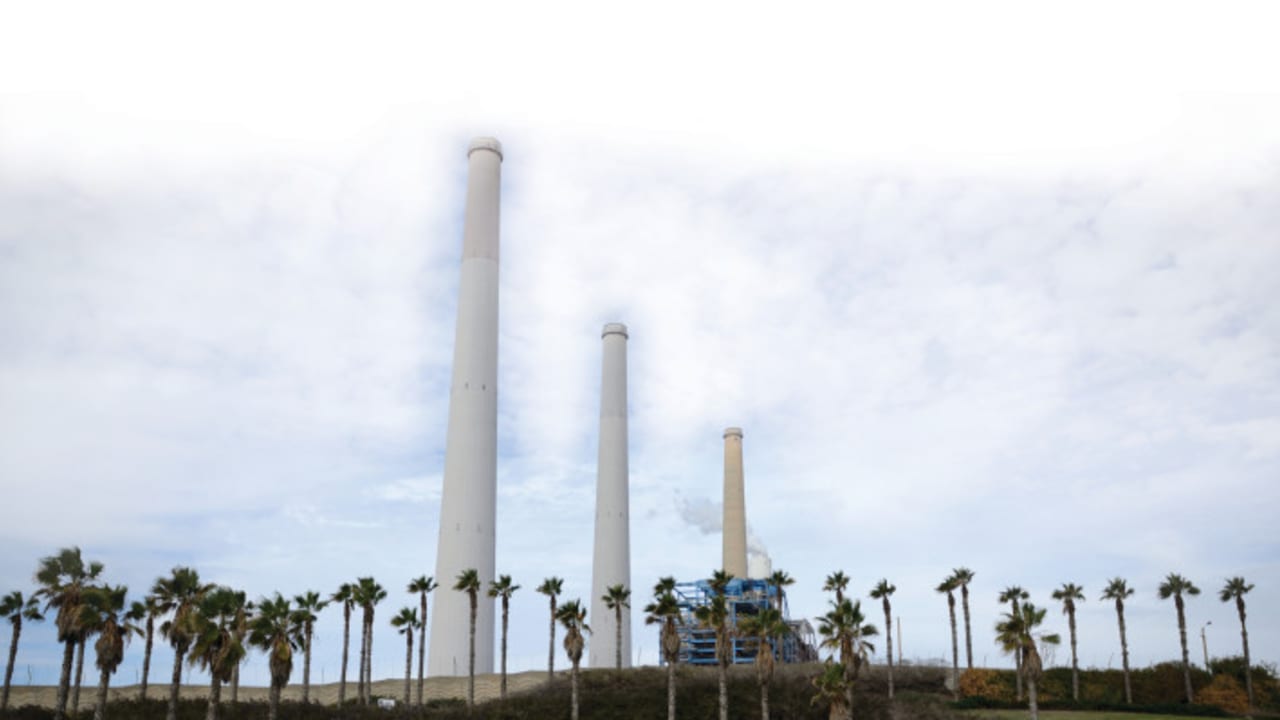
The Israel Electric Corporation (IEC) is advancing a program to manufacture essential power‑plant components in Israel using 3D‑printing technologies, citing wartime conditions and global supply‑chain disruptions that have made overseas procurement unreliable.
The move aims to reduce reliance on foreign suppliers, shorten repair timelines, and strengthen Israel’s energy resilience when operational continuity is under threat.
According to the IEC, power plants often require specialized engineering parts long after their original commissioning, but many of them are becoming increasingly difficult to obtain due to low market availability or being outdated. As such, the company has begun developing domestic production methods for complex engineering parts to reduce dependence on foreign suppliers and accelerate maintenance response times.
IEC Deputy CEO and VP of Generation and Energy Yossi Rofe said the initiative is intended to strengthen Israel’s energy independence.

"Developing domestic printing capabilities for complex engineering components is a strategic goal for the IEC, which will strengthen Israel's energy independence. This initiative will strengthen the operational continuity of the power plants, and it is based on harnessing the Israeli technological ecosystem alongside the engineering knowledge and experience of IEC employees,” he said.
A key focus is the transition to metal printing, including the ability to produce steam‑piping components from a specialized steel alloy designed to withstand high pressures and extreme temperatures. While printing technologies for this alloy are still in the research phase and not yet mature enough for commercial‑scale industrial production, IEC is working with Israeli technology companies to establish a local capability.
According to IEC, ordering a single part from an overseas manufacturer can take years and cost millions of dollars. The company estimates that domestic production using metal powder or wire could reduce costs to tens of thousands of shekels and shorten delivery times to several weeks.
Rofe said the company is also promoting employee initiatives as well as cooperation between IEC engineers and Israel’s tech sector.
“Evidence of the success of this integration is the fact that we are currently in the process of registering a patent for a unique engineering component, originating from an initiative by one of the division's employees,” he said.
IEC began developing 3D‑printing capabilities several years ago by using polymer printers used for research and prototyping. It now operates multiple polymer printers at its Orot Rabin, Haifa, and Rutenberg sites, including a liquid‑injection printer in Ashkelon capable of producing components with complex internal cavities. Each printed part undergoes engineering optimization, including detailed design, printing‑parameter definition, and thermal‑management planning.
The company expects to expand into metal component manufacturing as it gains experience with advanced alloys and printing processes.